Abstracte
Xilè, un hidrocarbur aromàtic amb la fórmula C8H10, Serveix com a dissolvent fundacional i intermediari químic a diverses indústries mundials. La seva utilitat en pintures, recobriments, adhesius, i processos de laboratori subratlla una demanda internacional constant. Aquesta guia examina l'intricat procés d'obtenció d'aquest producte químic vital, centrant-se específicament en l'adquisició d'un fabricant de xilè de la Xina. Com 2025, La Xina continua sent una força dominant en la producció química mundial, oferint importants avantatges de capacitat i cost. Per a compradors internacionals tant en mercats en desenvolupament com establerts, navegar per aquest paisatge presenta reptes relacionats amb l'assegurament de la qualitat, compliment regulatori, i complexitats logístiques. Aquest document proporciona una sistemàtica, marc de quatre passos dissenyat per capacitar els gestors de compres i els tècnics de laboratori. Detalla l'avaluació tècnica dels productes de xilè, mètodes per verificar la legitimitat del proveïdor, estratègies per gestionar l'enviament internacional i el compliment multimodal, i enfocaments per fomentar la robustesa, associacions de proveïdors a llarg termini, mitigant així el risc i garantint una estabilitat, cadena de subministrament d'alta qualitat.
Takeaways clau
- Verifiqueu un proveïdor examinant les certificacions, fitxes tècniques, i demanant mostres.
- Comprendre els tres isòmers del xilè (orto-, meta-, a-) per fer coincidir la nota correcta amb la vostra sol·licitud.
- Domineu les condicions d'enviament internacional (INCOTERMS) per gestionar costos i riscos de manera eficaç.
- Un fabricant fiable de xileno de la Xina ofereix una documentació completa de qualitat i compliment.
- Anticipeu-vos i prepareu-vos per a les regulacions d'importació específiques del vostre país o regió d'origen.
- Centra't a construir una associació a llarg termini en lloc d'una relació purament transaccional.
- Prioritzar una comunicació clara per superar les possibles barreres culturals i lingüístiques.
Taula de continguts
- Pas 1: Coneixements Fonamentals – Entendre el xilè i la seva dinàmica de mercat
- Pas 2: El procés de verificació – Escrutini de qualitat i credencials dels proveïdors
- Pas 3: Logística i Compliance – Garantir un camí llis des de la fàbrica fins a la instal·lació
- Pas 4: Construir una associació – Comunicació, Negociació, i fiabilitat a llarg termini
Pas 1: Coneixements Fonamentals – Entendre el xilè i la seva dinàmica de mercat
Embarcar-se en l'adquisició de qualsevol producte químic industrial requereix una profunda apreciació del propi material. Per obtenir xilè de manera intel·ligent, primer cal comprendre la seva naturalesa química, la seva gran utilitat, i els corrents del mercat global que dicten el seu flux. Aquesta comprensió fonamental no és merament acadèmica; és la base sobre la qual es construeixen les decisions de compra adequades. Et permet fer les preguntes adequades, interpretar les dades tècniques amb un ull exigent, i reconèixer el valor més enllà d'una simple cotització de preu. Penseu en això com aprendre l'idioma del producte abans d'intentar negociar la seva compra. Sense aquesta fluïdesa, corre el risc de comunicar-se malament, obtenint la qualificació incorrecta, o passar per alt signes subtils d'una relació de proveïdor no coincident. Comencem examinant la identitat del xilè, una substància molt més complexa del que indica el seu nom comú.
La identitat química del xilè: Més enllà d'un simple dissolvent
En el seu nucli, el xileno és incolor, d'olor dolça, i líquid inflamable. Pertany a la família dels hidrocarburs aromàtics, és a dir, la seva estructura es basa en un anell de benzè. La seva fórmula química, C8H10, explica una història senzilla de vuit àtoms de carboni i deu àtoms d'hidrogen. Com més profund, La història més significativa rau en com estan disposats aquests àtoms. El xilè existeix en tres formes diferents, o isòmers: ortoxilè (o-xilè), metaxilè (m-xilè), i para-xilè (p-xilè).
Imagina que tens una sola placa base de Lego (l'anell de benzè) i dos maons Lego especials idèntics (els grups metil, -CH3). Les diferents posicions en què podeu connectar aquests dos maons especials a la placa base creen els tres isòmers diferents.
- Ortoxilè: Els dos grups metil es troben en àtoms de carboni adjacents de l'anell de benzè (posicions 1 i 2).
- Metaxilè: Els grups metil estan separats per un àtom de carboni (posicions 1 i 3).
- Para-xilè: Els grups metil es troben als costats oposats de l'anell de benzè (posicions 1 i 4).
Per què t'importa aquest matís estructural?, el comprador? Perquè cada isòmer posseeix propietats físiques lleugerament diferents, com els punts d'ebullició i els punts de fusió, que els fa aptes per a diferents processos industrials. Para-xilè, Per exemple, és una matèria primera primària per produir àcid tereftàlic (TPA) i tereftalat de dimetil (DMT), que després s'utilitzen per fer tereftalat de polietilè (Animal domèstic) plàstic per a ampolles i fibres de polièster. L'ortoxilè és un precursor de l'anhídrid ftàlic, un ingredient clau en plastificants.
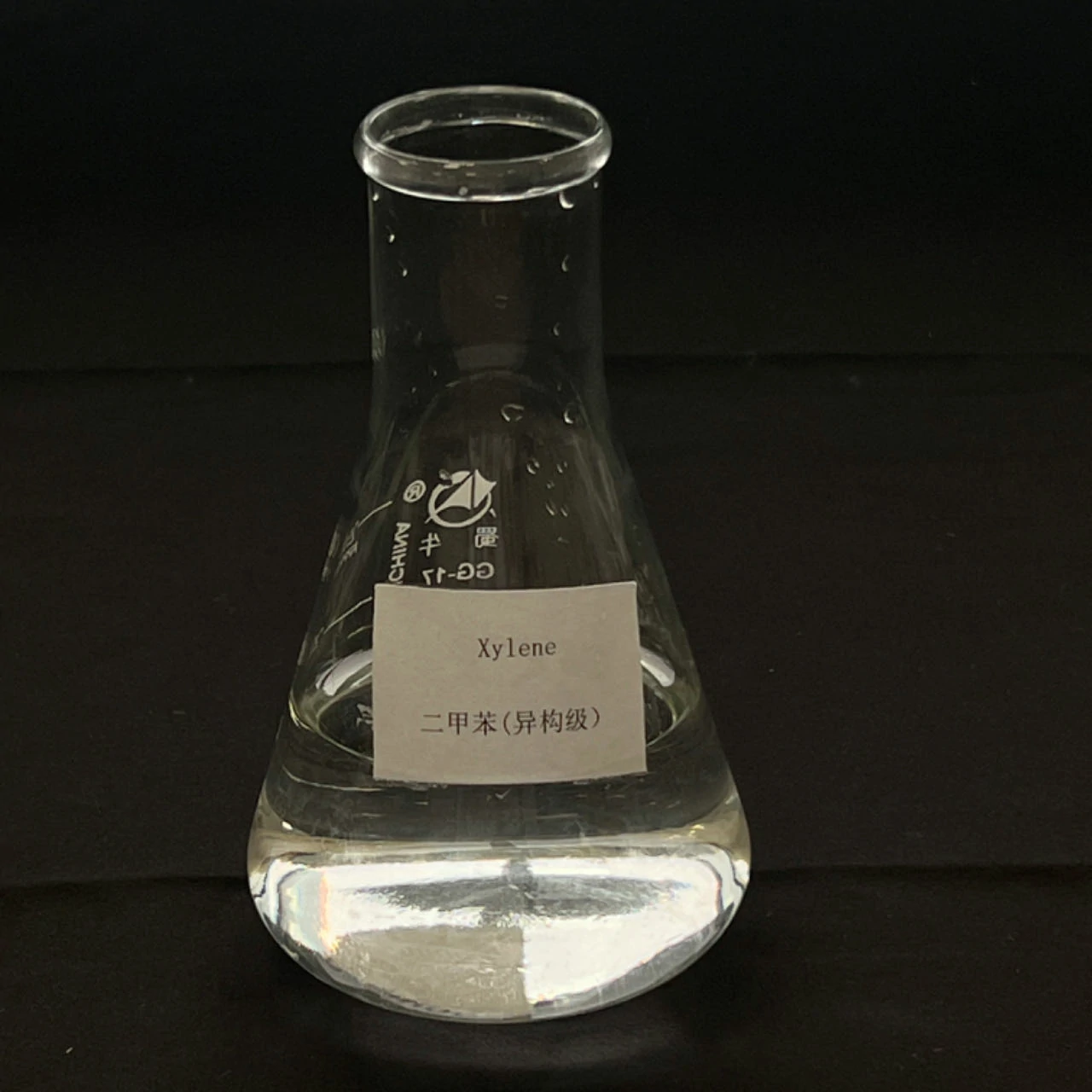
Molt sovint, el que es ven comercialment com a dissolvent industrial no és un sol, isòmer pur però una barreja anomenada “xilens barrejats” o de vegades amb el nom més antic “xilol” pmc.ncbi.nlm.nih.gov. Aquesta mescla normalment conté els tres isòmers més una certa quantitat d'etilbenzè, un altre hidrocarbur aromàtic C8H10. La composició exacta d'aquesta barreja és la que indica la fitxa tècnica d'un fabricant (TD) especificarà. Un comprador exigent examinarà aquesta composició per assegurar-se que s'alinea amb els requisits del seu procés. Per exemple, un procés sensible a l'etilbenzè requerirà obtenir un grau de xilè amb una concentració molt baixa d'aquest component en particular.
Un espectre d'aplicacions: Importància industrial del xilè
El valor del xilè es realitza en la seva extraordinària versatilitat com a dissolvent i precursor químic. La seva capacitat per dissoldre molts compostos no polars, com els olis, resines, i ceres, el converteix en una eina indispensable en innombrables indústries. La seva velocitat d'evaporació relativament lenta en comparació amb altres dissolvents com el toluè és sovint avantatjosa, permetent un millor flux i anivellació en pintures i recobriments. Explorem alguns dels seus papers més destacats.
| Vertical de la indústria | Ús primari del xilè | Funció i justificació |
|---|---|---|
| Pintures & Recobriments | Portador de dissolvents | Dissol resines i pigments, controla la viscositat i el temps d'assecat per a una suavitat, acabat durador. |
| Adhesius & Segelladors | Dissolvent & Agent de neteja | S'utilitza en ciment de cautxú i mastics; també neteja superfícies i eines dissolent l'adhesiu sense curar. |
| Impressió & Cuir | Solvent de tinta | Un component clau en les tintes d'impressió, especialment per al rotogravat, assegurant la correcta transferència i adherència del pigment. |
| Fabricació Química | Matèries primeres/intermedis | El paraxilè és el precursor principal del plàstic PET; Ortoxilè per a anhídrid ftàlic (plastificants). |
| Laboratori & Histologia | Agent de compensació | Fa que les mostres de teixit siguin transparents durant la preparació del portaobjectes substituint l'alcohol, permetre un examen microscòpic. |
| Neteja & Desgreixatge | Desgreixant industrial | Dissol eficaçment els olis pesats, greixos, i ceres de peces i maquinària metàl·liques. |
| Petroli | Additiu de gasolina | S'utilitza en petites quantitats com a component de la gasolina i el combustible d'aviació per augmentar els índexs d'octà. |
Com a dissolvent en la indústria de pintures i recobriments, el xileno és un cavall de batalla. Dilueix esmalts i laques, permetent una aplicació suau amb pinzell, corró, o esprai. Quan oloreu la característica punxant, dolça olor d'un espai industrial acabat de pintar, és probable que detecteu dissolvents evaporants com el xilè. En la producció d'adhesius i segelladors, ajuda a mantenir el producte amb la consistència adequada per a l'aplicació abans que es curi.
Potser un dels seus papers més especialitzats però vitals és el camp mèdic de la histologia. Quan un biòleg prepara una mostra de teixit per al cribratge del càncer, per exemple, la mostra s'ha de deshidratar i fer transparent perquè la llum pugui passar a través d'ella sota un microscopi. El xilè és el “agent de compensació” utilitzat en aquest procés, substituint l'alcohol del teixit i fent-lo translúcid. Aquest és un procés delicat on la puresa del xilè és primordial per evitar danyar les estructures cel·lulars que s'estudien..
Aquesta àmplia gamma d'aplicacions significa que diferents indústries exigeixen diferents graus de xilè. Un fabricant de pintura podria estar perfectament satisfet amb un grau estàndard de xilens barrejats, mentre que una empresa farmacèutica que sintetitza un nou fàrmac podria requerir un paraxilè d'alta puresa amb límits estrictes d'altres isòmers i impureses. Un de confiança Fabricant de xilenes de la Xina entendrerà aquestes distincions i serà capaç de proporcionar especificacions clares per a cada grau que ofereixen.
Navegació per la cadena de subministrament global: El paper de la Xina com a epicentre de xilè
Durant les últimes tres dècades, La Xina s'ha transformat en la fàbrica del món, i la indústria química no és una excepció. La seva immensa capacitat de producció, polígons industrials integrats, i les estructures de costos competitives l'han convertit en una font primària d'innombrables productes químics, inclòs el xilè. Per a gestors de compres a Amèrica del Sud, Rússia, Sud -est asiàtic, Orient Mitjà, i Àfrica, proveir-se de la Xina no és només una opció; sovint és una necessitat estratègica per seguir sent competitius.
No obstant això, aquesta immensitat presenta una paradoxa d'elecció. El gran nombre de proveïdors potencials pot ser aclaparador. Tot i que moltes són instal·lacions d'última generació que produeixen productes de classe mundial, altres poden ser operacions més petites amb un control de qualitat menys rigorós. El repte per al comprador internacional és diferenciar-los. Implica mirar més enllà del preu i considerar tota la proposta de valor: qualitat, coherència, fiabilitat, comunicació, i el compliment.
La distància geogràfica i les diferències culturals afegeixen capes de complexitat. No podeu simplement conduir a la planta per a una inspecció ràpida. Probablement, tota la vostra relació es basarà en correus electrònics, videotrucades, i una quantitat immensa de confiança: confiança que s'ha de guanyar mitjançant un procés diligent de verificació. Els passos següents d'aquesta guia estan dissenyats per ajudar-vos a crear aquesta confiança sobre una base d'evidència i verificació, convertir el repte d'aprovisionar-se d'un mercat llunyà en un avantatge estratègic per a la vostra organització.
Pas 2: El procés de verificació – Escrutini de qualitat i credencials dels proveïdors
Un cop tingueu una comprensió ferma de les propietats del xilè i del panorama del mercat, la següent fase implica un examen minuciós dels possibles proveïdors. Aquesta és una etapa d'investigació, on fas de detectiu, reunir proves per formar una imatge completa de les capacitats i la fiabilitat d'un fabricant. Un lloc web brillant i un preu baix són només la portada del llibre; la veritable diligència requereix llegir els capítols que hi ha dins. Aquest procés tracta de mitigar el risc. El cost d'un lot dolent de xilè, en termes de temps d'inactivitat de producció, fallada del producte, o incidents de seguretat: poden superar amb escreix els estalvis inicials d'escollir un proveïdor no verificat. Un enfocament sistemàtic per examinar les credencials, descodificació de documents tècnics, i provar físicament el producte separarà els principals proveïdors de la resta.
Més enllà del lloc web: Verificació de la legitimitat del fabricant
La primera capa d'investigació consisteix a comprovar la legitimitat fonamental de l'empresa. Qualsevol pot crear un lloc web d'aspecte professional, així que has d'aprofundir. Comenceu buscant les credencials empresarials bàsiques. Un fabricant legítim estarà registrat a les autoritats governamentals pertinents a la Xina. Demaneu una còpia de la seva llicència comercial. Mentre que serà en xinès, informació clau com el nom de l'empresa, número de registre, i l'abast del negoci es poden traduir i creuar-los.
Pròxim, buscar certificacions de gestió de qualitat reconegudes internacionalment. El més comú és ISO 9001. Aquesta certificació no garanteix la qualitat del producte en si, però indica que el fabricant disposa d'un sistema documentat i auditat de control de qualitat, gestió de processos, i millora contínua. Un proveïdor orgullós dels seus sistemes de qualitat sovint mostrarà els seus certificats de manera destacada o els proporcionarà a petició.
Exploreu la presència en línia de l'empresa més enllà del seu propi lloc. Quant de temps han estat al negoci? Tenen antecedents per assistir a fires internacionals? Una empresa amb una llarga trajectòria operativa i un historial de compromís internacional és generalment un soci més estable i experimentat. Presta molta atenció a la transparència que ofereixen. El lloc web d'un proveïdor hauria de proporcionar més que només llistats de productes. Un detallat “Sobre nosaltres” pàgina, per exemple, pot oferir informació sobre la història de l'empresa, missió, i escala de les operacions. Un ben documentat perfil de l'empresa és un signe d'un proveïdor obert i confiat en les seves operacions.
El llenguatge de qualitat: Descodificació de fitxes tècniques (TD) i certificats d'anàlisi (Coa)
Els documents tècnics són el cor de la verificació de qualitat. Els dos documents més importants que trobareu són la Fitxa tècnica (TD) i el certificat d'anàlisi (Coa).
Una Fitxa tècnica (TD) és un document proporcionat pel fabricant que descriu les propietats i especificacions d'un producte. És una promesa estandarditzada. Per a xilens mixtes, un TDS enumerarà el rang garantit per a paràmetres clau com la puresa, distribució d'isòmers, contingut d'humitat, i aparença.
Una Certificat d'anàlisi (Coa) és específic d'un lot o lot de producte concret que s'ha fabricat. Mostra els resultats reals de la prova per a aquest lot. Mentre que el TDS us dóna l'objectiu, el COA us indica a quina distància van estar de colpejar la diana per al tambor de xileno específic que esteu a punt de comprar.
Comparem el que podríeu veure en aquests documents per entendre la seva importància.
| Paràmetre | Exemple d'especificació TDS | Hipotètic “Bé” Resultat COA | Hipotètic “Pobre” Resultat COA | Implicació d'un mal resultat |
|---|---|---|---|---|
| Puresa total de xilens | ≥ 99.0% | 99.52% | 98.15% | No compleix les especificacions; conté impureses desconegudes que podrien afectar les reaccions o el rendiment. |
| Contingut d'etilbenzè | ≤ 18.0% | 15.7% | 22.5% | Fora d'especificacions; podria causar problemes en aplicacions on l'etilbenzè és un component no desitjat. |
| Contingut d'humitat | ≤ 0.05% | 0.02% | 0.50% | Un alt contingut d'aigua pot interferir amb les reaccions sensibles a la humitat i provocar corrosió a l'equip. |
| No aromàtics | ≤ 1.0% | 0.45% | 2.10% | L'excés d'impureses no aromàtiques pot reduir el poder de solvència i afectar la qualitat del producte final. |
| Aparença | Clar, Líquid incolor | Conforma | Tint lleugerament groc | Indica contaminació o degradació del producte, una bandera vermella important per al control de qualitat. |
Quan rebeu un COA, l'has de comparar directament amb les promeses fetes al TDS. Els resultats es troben còmodament dins dels intervals especificats? Són coherents de lot a lot?? Un fabricant fiable proporcionarà fàcilment un COA per al lot específic que esteu comprant abans que s'enviï. Aneu amb compte amb qualsevol proveïdor que dubti a fer-ho o que ofereixi un genèric, document sense data. El COA és la vostra prova principal del control de qualitat a nivell de lot.
Sol·licitud de mostres: La prova tangible de la qualitat
Cap quantitat de documentació pot substituir una avaluació física del producte. Sol·licitar una mostra és un pas no negociable en el procés de verificació. Un fabricant seriós esperarà això i estarà disposat a enviar una petita quantitat (normalment 250 ml a 1 litre) per a la seva avaluació. Aquesta mostra tangible té dos propòsits. Primer, permet veure i manipular el producte. Coincideix amb el “clar, incolor” descripció? Hi ha partícules o boira visibles??
Segona, i més important, us permet realitzar les vostres pròpies proves independents. Tant si teniu un laboratori de control de qualitat intern com si utilitzeu un servei de proves de tercers, aquesta verificació és primordial. El mètode analític principal utilitzat per al xilè és la cromatografia de gasos (Gc). Una prova de GC proporcionarà un desglossament precís de la composició de la mostra, identificant el percentatge d'o-xilè, m-xilè, p-xilè, i etilbenzè. També detectarà i quantificarà qualsevol impuresa.
Quan obteniu els resultats de les vostres pròpies proves, compareu-los amb el COA del fabricant que acompanyava la mostra. S'alineen? Les variacions menors són normals a causa de les diferències en l'equip i els mètodes, però els resultats haurien de ser molt propers. Una discrepància important és un motiu important de preocupació. Podria indicar un control de qualitat deficient a la fàbrica o, en el pitjor dels casos, un proveïdor deshonest que va enviar una mostra d'alta qualitat però que té la intenció d'enviar un producte a granel de menor qualitat. Aquest pas de verificació independent és la vostra pòlissa d'assegurança definitiva, confirmant que el producte de xilè que estàs comprant compleix els teus estàndards exigents abans de comprometre't amb una comanda de gran volum.
Pas 3: Logística i Compliance – Garantir un camí llis des de la fàbrica fins a la instal·lació
Garantir un producte d'alta qualitat d'un fabricant fiable és només la meitat de la batalla. L'altra meitat és portar aquest producte des de la porta de la fàbrica a la Xina fins a les vostres instal·lacions al Brasil, Sud -àfrica, o Aràbia Saudita amb seguretat, legalment, i de manera eficient. El viatge d'una substància química perillosa com el xilè a través dels oceans i les fronteres és una dansa complexa de termes comercials internacionals, normativa d'enviament, i requisits duaners locals. Passar per alt un sol pas en aquest procés pot comportar retards costosos, embargaments duaners, o fins i tot incidents de seguretat perillosos. Un proveïdor professional serà el vostre soci per navegar per aquesta complexitat, però la responsabilitat final del compliment és de tu, l'importador. Un enfocament proactiu de la logística i la regulació no és només una bona pràctica; és essencial per mantenir una cadena de subministrament resilient i previsible.
Les complexitats de l'enviament internacional: INCOTERMS i Transport de mercaderies
Quan rebeu un pressupost d'un proveïdor, gairebé sempre anirà acompanyat d'un acrònim de tres lletres com FOB, Cif, o EXW. Aquests són els INCOTERMS, un conjunt de normes publicades per la Cambra de Comerç Internacional que defineixen les responsabilitats dels venedors i compradors pel que fa al lliurament de mercaderies en virtut de contractes de venda.. Entendre'ls és fonamental per gestionar els vostres costos i riscos.
Considerem dos dels termes més comuns:
- Pollera (Gratuït a bord): En termes FOB (P., “FOB Xangai”), el venedor és responsable de tots els costos i riscos fins que la mercaderia es carregui al vaixell designat pel comprador al port d'origen indicat.. Un cop s'aixequen els bidons de xilè per sobre de la barana del vaixell, la responsabilitat i la transferència del risc a vostè, el comprador. Vostè és responsable d'organitzar i pagar el transport marítim principal, l’assegurança, i tot el transport posterior a la seva instal·lació. Aquest terme us ofereix més control sobre el procés d'enviament i l'elecció del transportista.
- Cif (Costar, Assegurança, i mercaderies): En termes CIF (P., “CIF Durban”), el venedor és responsable d'organitzar i pagar el cost de la mercaderia, el principal transport marítim, i un nivell mínim de cobertura d'assegurança al port de destinació indicat. El risc, no obstant això, encara es transfereix del venedor al comprador una vegada que la mercaderia es carrega a bord del vaixell al país d'origen. Tot i que això pot semblar més convenient, ja que el venedor gestiona la reserva de mercaderies, sovint té un cost total més elevat i us ofereix menys control sobre el temps i el transportista de l'enviament.
L'elecció entre FOB i CIF depèn de l'experiència logística de la vostra empresa i de la vostra relació amb els transitaris. Un transitari és un especialista en logística que actua com a agent per gestionar tot el procés d'enviament. Per a un material perillós com el xilè, És molt recomanable utilitzar un transportista experimentat. S'encarregaran de reservar espai en un vaixell certificat per transportar mercaderies perilloses, garantir tota la documentació (com la Declaració de mercaderies perilloses) està correctament preparat, i navegar pels complexos procediments de despatx de duanes tant al port d'exportació com al port d'importació. Un bon transportista és un soci inestimable en el comerç internacional.
Obstacles regulatoris en mercats objectiu: Una visió regional
Cada país té el seu propi conjunt de normes per a la importació de productes químics. El que és acceptable a Rússia pot no ser a Malàisia. És la vostra responsabilitat com a importador comprendre i complir les vostres normatives locals. Un fabricant de xileno de la Xile competent hauria de poder proporcionar la documentació d'exportació necessària, però no seran experts en les lleis d'importació de cada país. Aquí teniu un breu, visió general no exhaustiva del que cal tenir en compte per a regions específiques:
- Amèrica del Sud (P., Brasil, Argentina): Les nacions d'aquesta regió sovint tenen lleis de control químic estrictes. El sistema del Brasil, Per exemple, requereix un registre i una notificació detallats per a determinats productes químics industrials. Haureu de treballar amb el vostre agent de duanes local per assegurar-vos que totes les declaracions siguin exactes i que el producte estigui degudament classificat sota la nomenclatura comuna del Mercosur..
- Rússia i la Unió Econòmica Euràsica (EAEU): Mercaderies importades a la UEE (que inclou Rússia, Kazakhstan, Bielorússia, Armènia, i Kirguizistan) ha de complir la normativa tècnica del sindicat (Tr eau). Això sovint requereix una declaració de conformitat o un certificat de conformitat, demostrant que el producte compleix els estàndards de seguretat i qualitat, incloent requisits específics d'etiquetatge i documentació en llengua russa.
- Sud -est asiàtic (P., Malàisia, Vietnam, Indonèsia): Aquesta regió és un mosaic de regulacions nacionals. Cada país té el seu propi sistema d'inventari químic, registre, i classificació de perills. Per exemple, potser haureu d'assegurar-vos la fitxa de dades de seguretat del vostre proveïdor (SDS) compleix amb la implementació local del Sistema globalment harmonitzat de classificació i etiquetatge de productes químics (GHS).
- Orient Mitjà (P., UAE, Aràbia Saudita): Països del Consell de Cooperació del Golf (GCC) harmonitzen cada cop més els seus estàndards. SASO de l'Aràbia Saudita (Normes saudites, Metrologia i Organització de la Qualitat) executa un programa d'avaluació de la conformitat que pot requerir un certificat de conformitat per a les importacions de productes químics per garantir que compleixen els estàndards nacionals.
- Sud -àfrica: Les importacions es regeixen per la Comissió d'Administració del Comerç Internacional (ITAC) i el Servei d'Hisenda de Sud-àfrica (SARS). Heu d'assegurar-vos que el producte està correctament classificat amb la partida tarifaria adequada i que tota la informació de seguretat, alineats amb els estàndards nacionals sud-africans (SANS), està disponible.
La clau per emportar és contractar un agent de duanes local o un consultor comercial al principi del procés. Poden proporcionar orientació específica sobre la documentació, permisos, i els deures necessaris per portar el vostre enviament de xilè al vostre país sense complicacions inesperades.
Embalatge i manipulació per a la seguretat i l'estabilitat
El xilè es classifica com a líquid inflamable (I 1307, Classe de perill 3). Com a tal, el seu transport està estrictament regulat per codis internacionals com l'IMDG (mercaderies perilloses marítimes internacionals) Codi per al transport marítim i la IATA (Associació Internacional de Transport Aeri) normativa per al transport aeri de mercaderies.
El vostre proveïdor ha d'utilitzar embalatges homologats per l'ONU. Per a enviaments a granel, això normalment significa bidons d'acer nous o reacondicionats (P., 200-capacitat de litres) o Envasos a granel intermedis (IBCC), que són grans contenidors compostos. L'embalatge ha d'estar certificat per suportar els rigors del transport sense fuites. Cada tambor o IBC ha d'estar correctament etiquetat amb el nom d'enviament adequat, Un nombre, i pictogrames de perill GHS (P., flama, perill per a la salut).
La fitxa de dades de seguretat (SDS) és el document més important per a una manipulació segura. El vostre proveïdor ha de proporcionar una informació completa, 16-secció SDS que compleix amb els estàndards GHS. Aquest document ofereix informació detallada sobre els perills per a la salut, mesures de primers auxilis, procediments d'extinció d'incendis, i equips de protecció individual (Eficàcia) recomanacions. La informació de la SDS és vital per als vostres socis logístics, personal del vostre magatzem, i els teus usuaris finals. Segons els EUA. Institut Nacional de Seguretat i Salut Laboral (NIOSH), L'exposició prolongada al vapor de xilè pot afectar el sistema nerviós central, provocant símptomes com mals de cap i marejos. Manipulació adequada, guiat per l'SDS, per tant, no és només una qüestió de compliment sinó un aspecte fonamental de la seguretat dels treballadors. Assegurar-se que el vostre proveïdor ofereix un embalatge robust i una documentació de seguretat precisa és una comprovació final crítica en el trencaclosques de la logística.
Pas 4: Construir una associació – Comunicació, Negociació, i fiabilitat a llarg termini
El pas final del procés transcendeix la naturalesa transaccional de la compra i la venda. Es tracta de conrear una relació professional. En el comerç internacional, on les distàncies són grans i la confiança és primordial, la qualitat de la vostra associació amb un proveïdor pot ser tan valuosa com la qualitat de la substància química que produeixen. Un proveïdor que et veu com un soci a llarg termini, en lloc d'un altre número de comanda, és més probable que prioritzeu els vostres enviaments, comunicar-se de manera proactiva sobre els canvis del mercat, i treballar de manera col·laborativa per resoldre els problemes quan sorgeixen. Aquesta transició d'una simple dinàmica de comprador-venedor a una associació estratègica s'aconsegueix mitjançant un esforç deliberat en la comunicació, negociació justa, i un compromís amb l'èxit mutu.
L'art de la comunicació: Reduint els buits lingüístics i culturals
La comunicació eficaç és l'element vital de qualsevol relació comercial internacional. Quan es tracta d'un fabricant de xilè de la Xina, és probable que esteu navegant per diferències d'idioma, zones horàries, i cultura empresarial. La claredat i la paciència són les vostres eines més poderoses.
Esforça sempre per clar, simple, i un llenguatge inequívoc als vostres correus electrònics. Eviteu l'argot, Per a les idees, o estructures oracionals massa complexes. L'ús de vinyetes o llistes numerades per descriure preguntes o requisits específics pot ajudar a prevenir malentesos. Reconeix la diferència horària; tingueu en compte quan esteu enviant missatges i quan podeu esperar una resposta raonable.
Tot i que el correu electrònic és eficient per a la documentació, no subestimeu el valor d'una videotrucada programada. Posar una cara a un nom ajuda a crear una relació i pot resoldre problemes complexos molt més ràpidament que una llarga cadena de correus electrònics. Demostra un compromís amb la relació. Si hi ha una barrera lingüística important, considereu l'ús d'un traductor per a les negociacions crítiques, o treballeu amb un proveïdor que tingui un equip de vendes i suport amb experiència en anglès. L'objectiu és crear un canal de comunicació obert, sensible, i fiable, formant la base de la vostra associació.
Condicions de negociació: Més enllà del preu
Sovint es percep que la negociació es tracta únicament de regatejar el preu per quilogram. Tot i que el cost és sens dubte un factor, una negociació estratègica abasta tota l'estructura de l'acord. Una associació madura es construeix en termes justos i sostenibles per a ambdues parts.
- Condicions de pagament: Aquest és un punt important de la negociació. Un acord comú és un pagament parcial per avançat (P., 30% mitjançant transferència telegràfica, o T/T) amb el saldo restant pendent de presentar els documents d'enviament (el coneixement d'embarcament). Per a més grans, relacions més establertes, Una carta de crèdit (L/C) emesa per un banc pot proporcionar seguretat tant al comprador com al venedor. Un L/C és la promesa d'un banc de pagar al venedor un cop hagi presentat els documents d'enviament que compleixen, que protegeix el comprador de pagar per béns que no s'envien i protegeix el venedor de l'impagament després de l'enviament.
- Temps d'execució: Parleu i acordeu els terminis de producció i enviament realistes. Quant de temps triga des de la realització d'una comanda de compra fins que la mercaderia estigui a punt per a l'enviament? Incorporar aquest temps a la vostra planificació d'inventaris és vital per evitar esgotaments.
- Garanties de qualitat: Els termes del contracte han de fer referència clarament a les especificacions del producte acordades (tal com s'estableix a la TDS). Què passa si arriba un enviament i una prova independent mostra que està fora de les especificacions? Un bon contracte inclourà clàusules per a la resolució de conflictes, si això implica una reducció de preu, substitució del producte, o tornar.
Una negociació hauria de ser una discussió col·laborativa destinada a trobar un marc mútuament acceptable. Un proveïdor que només està disposat a competir pel preu i és inflexible en tots els altres termes pot no ser el soci adequat per a una empresa estable., cadena de subministrament a llarg termini.
Cultivant una relació a llarg termini: De primer ordre a soci estratègic
La primera comanda amb èxit no és el final del procés; és l'inici de l'associació. Cultivar aquesta relació requereix un esforç constant. Proporcioneu comentaris al vostre proveïdor. Si un enviament arriba perfectament a temps amb una documentació excel·lent, fes-los saber. Aquest reforç positiu genera bona voluntat. Si hi ha un problema menor, comunicar-ho de manera constructiva, centrant-se en com evitar que torni a passar.
Comparteix informació quan sigui possible. Si preveu un augment significatiu de la vostra demanda de xilè durant el proper any, donar al vostre proveïdor una previsió els pot ajudar amb la seva pròpia planificació de la producció. Això transforma la relació de reactiva a proactiva.
Amb el temps, una associació sòlida aporta beneficis significatius. Podeu obtenir accés a preus o condicions de pagament més favorables. Les vostres comandes es poden prioritzar durant períodes d'alta demanda del mercat o escassetat de matèries primeres. El proveïdor fins i tot pot convertir-se en una font d'intel·ligència de mercat valuosa, alertant-vos de les tendències de preus o de nous desenvolupaments de productes. En definitiva, invertint en la relació, estàs fent més que comprar un producte químic; esteu construint la resiliència de la cadena de subministrament. Esteu creant una associació amb un fiable dissolvent industrial proveïdor que entén les vostres necessitats i s'inverteix en el vostre èxit. Aquest actiu estratègic és una de les coses més valuoses que podeu assegurar en el volàtil món de la compra global de productes químics..
Cap
Quina és la diferència principal entre orto-, meta-, i para-xilè? La principal diferència rau en la disposició dels dos grups metil a l'anell de benzè. En ortoxilè, estan en carbonis adjacents. En metaxilè, estan separats per un carboni. En paraxilè, estan en carbonis oposats. Aquesta diferència estructural dóna a cada isòmer propietats físiques lleugerament diferents, com els punts d'ebullició i de fusió, fent-los aptes per a diferents aplicacions de síntesi química.
Quines són les principals precaucions de seguretat a l'hora de manipular xilè?? El xilè és un líquid inflamable i els seus vapors poden ser nocius. Manipuleu-lo sempre en una zona ben ventilada, lluny de fonts d'ignició. Utilitzeu equips de protecció individual adequats (Eficàcia), incloses les ulleres de seguretat, guants resistents als productes químics (P., nitril o vitó), i una bata de laboratori. Si hi ha risc d'inhalació de vapors, pot ser necessari un respirador amb un cartutx de vapor orgànic. Consulteu sempre la fitxa de seguretat del producte (SDS) per obtenir instruccions detallades de manipulació.
Com puc verificar la puresa del xilè d'un proveïdor?? El mètode més fiable és mitjançant proves de laboratori independents. Després de demanar una mostra, enviar-lo a un laboratori de cromatografia de gasos (Gc) anàlisi. Aquesta prova proporcionarà un desglossament percentual precís dels isòmers de xilè, així com quantificar qualsevol impuresa com l'etilbenzè o els compostos no aromàtics. Compareu aquests resultats de tercers amb el certificat d'anàlisi proporcionat pel proveïdor (Coa) per comprovar les seves afirmacions.
Quins són els contenidors d'enviament habituals per a xileno a granel? Per al transport marítim internacional, El xilene normalment s'envia en 200 litres aprovats per l'ONU (aprox. 55-galó) bidons d'acer o en contenidors a granel intermedis més grans de 1.000 litres (IBCC). Tots els embalatges han d'estar certificats per al transport de materials perillosos i han d'estar clarament etiquetats amb el número ONU correcte (I 1307), nom d'enviament, i pictogrames de perill.
Per què és un certificat d'anàlisi (Coa) tan important a l'hora de comprar productes químics? Un certificat d'anàlisi (Coa) proporciona els resultats reals de les proves per al lot específic de productes químics que esteu comprant. Mentre que una fitxa tècnica (TD) dóna les especificacions generals i promeses, el COA és la prova de qualitat per a aquest lot exacte. Et permet confirmar que paràmetres com la puresa, contingut d'humitat, i els nivells d'impureses compleixen els vostres requisits abans fins i tot d'enviar el producte.
Què fa “FOB Xangai” vol dir quan es compra a un fabricant de xileno de la Xina? FOB significa “Gratuït a bord,” un INCOTERM per al transport marítim. “FOB Xangai” significa que la responsabilitat del venedor acaba un cop ha carregat la mercaderia al vaixell d'enviament al port de Xangai. A partir d'aquell moment, el comprador és responsable dels principals costos de transport marítim, assegurança, i tots els riscos de pèrdua o dany a la mercaderia.
Hi ha alternatives més ecològiques o més sostenibles al xilè?? Sí, la indústria està explorant activament dissolvents de base biològica i altres alternatives amb menor toxicitat i impacte ambiental. Alguns reemplaçaments potencials inclouen d-Limonene (derivats de les escorces dels cítrics), soiat de metil (derivat de l'oli de soja), i èsters de lactat. No obstant això, la idoneïtat d'una alternativa depèn en gran mesura de l'aplicació específica, ja que tenen diferents propietats de solvència, velocitats d'evaporació, i costos en comparació amb el xileno.
Conclusió
El procés d'aprovisionament d'un producte químic industrial fonamental com el xile d'un centre de fabricació global és un esforç polifacètic que s'estén molt més enllà d'una simple comparació de costos.. Exigeix una fusió de comprensió tècnica, diligència investigativa, previsió logística, i habilitat interpersonal. En abordar la tasca a través d'una estructura estructurada, marc de quatre passos: construir coneixements bàsics, executar un procés de verificació rigorós, gestió de la logística i el compliment, i cultivar una veritable associació: un professional de contractació pot transformar un procés potencialment complicat en un avantatge competitiu diferent. El viatge des de la identificació d'un potencial fabricant de xile de la Xina fins a la recepció d'un coherent, un subministrament d'alta qualitat requereix un compromís amb el detall en cada etapa. Implica descodificar els matisos químics dels isòmers, control de certificats d'anàlisi, navegant per la complexa xarxa de regulacions comercials internacionals, i fomentant clar, comunicació basada en la confiança. En adoptar aquest enfocament integral, empreses a Amèrica del Sud, Rússia, Sud -est asiàtic, Orient Mitjà, i Àfrica poden integrar amb confiança i èxit el subministrament global a les seves operacions, garantint l'estabilitat i la qualitat necessàries per prosperar en els seus respectius mercats.