Sa hunahuna lang
N,N-dimethyactamide (DMAC) usa ka high-loile, Ang Polar Aprotic Solvent nga adunay talagsaon nga gahum sa pag-solvency alang sa usa ka halapad nga organikong mga organikong ug mga organikong. Ang talagsaon nga kombinasyon sa mga kabtangan, lakip ang taas nga thermal ug kemikal nga kalig-on, naghimo kini nga hinungdanon sa daghang mga sektor sa industriya sa 2025. Kini nga dokumento naghatag usa ka komprehensibo nga pagsusi sa nag-unang dimethyactice (DMAC) Mga aplikasyon sa industriya, pag-focus sa hinungdanon nga papel niini sa paghimo sa mga advanced polymers ug synthetic fibers, sama sa spandex ug polyacrylonitrile. Gipaila usab niini ang function niini ingon usa ka reaksyon medium ug reagent sa synthesis sa Pharmaceutical, ang pagporma sa mga agrochemical, ug ang paggama sa mga high-performance nga coatings, mga resin, ug mga adhesive. Ang paggamit sa DMAC sa Petrochemical Refining alang sa Extractive Distillation ug sa industriya sa electronics ingon usa ka photoresist stripper usab detalyado. Ang pag-analisar gituyo alang sa mga managers sa pagkuha, Mga inhenyero sa kemikal, ug mga tigdukiduki sa mga mitumaw nga merkado, offering a deep understanding of DMAc's functional advantages and considerations for its use.
Panguna nga mga takeaway
- Ang DMAC usa ka labing maayo nga lapalapa alang sa paghimo og high-performance polymers sama sa Spandex ug Aramid Fibers.
- Sa mga Pharmaceutical, Gipadali niini ang komplikado nga mga reaksiyon sa kemikal alang sa aktibo nga synthesis nga sangkap.
- Kini nagsilbing usa ka kusog nga tabang sa pagporma alang sa mga modernong agrochemical, pagpalambo sa ilang pagka-epektibo.
- Ang taas nga punto sa pagbukal nga mapuslanon alang sa mga sinina, mga resin, ug mga espesyalista nga adhesives.
- Pagsabut sa lainlaing dimethyactice (DMAC) Ang mga aplikasyon sa industriya makatabang sa pag-optimize sa pagpili sa materyal.
- Ang husto nga mga protocol sa kaluwasan dili makigsabut tungod sa mga piho nga konsiderasyon sa kahimsog.
- Gigamit kini sa mga petrerochemicals alang sa paglimpyo sa bililhon nga mga kemikal nga sapa.
Talaan sa sulud
- Pagsabut sa Dimethyactie (DMAC): A Chemist's Perspective
- Aplikasyon 1: Polymer ug Synthetic Fiber Production
- Aplikasyon 2: Ang Synthesis sa Pharmaceutical ug Pormulasyon
- Aplikasyon 3: Agrochemical manufacturing
- Aplikasyon 4: Mga sinina, Resins, ug mga adhesive
- Aplikasyon 5: Electronics ug Microfabrication
- Aplikasyon 6: Pagproseso sa Petrochemical ug Pagkuha
- Aplikasyon 7: Mga aplikasyon sa laboratory ug panukiduki
- Panglawas, Kahilwasan, ug profile sa kalikopan sa DMAC
- Ang Global Market alang sa DMAC: Suplay nga kadena ug pagkuha sa 2025
- Kanunay nga gipangutana nga mga pangutana (FAQ)
- Usa ka katapusang konsiderasyon sa kaarang
- Mga Pakisayran
Pagsabut sa Dimethyactie (DMAC): A Chemist's Perspective
Sa wala pa naton maapresyar ang halapad nga talan-awon sa dimethyacticeTamide (DMAC) Mga aplikasyon sa industriya, Mapuslanon ang pagpalambo sa usa ka labi ka suod nga pagsabut sa molekula mismo. Hunahunaa nga ikaw usa ka chemist nga nagtan-aw sa istruktura niini. Unsa imong nakita? Ang ngalan sa kemikal, N,N-dimethyactamide, naghatag kanamo sa among una nga mga clue. "Acetamide" nagsulti kanamo nga molekula adunay backbone nga nakuha gikan sa acetic acid, nga nagpakita sa usa ka grupo sa carbonyl (usa ka carbon doble nga gihigot sa usa ka oxygen) nga gilakip sa usa ka nitrogen atom. Ang "n,N-dimethyl" Gipasabut sa prefix nga ang duha nga mga methyl nga grupo (Ch₃) gilakip sa kana nga nitrogen atom. Kini nga istraktura, C₄h₉no, yano nga yano, yet it is the source of all of DMAc's useful properties.
Ang yawi sa gahum niini naa sa konsepto sa polar. Hunahunaa ang usa ka gamay nga magnet. Kini adunay positibo nga katapusan ug usa ka negatibo nga katapusan. Sa usa ka molekula sa DMAC, Ang Oxygen Atom sa Carbonyl Group labi ka electronegative, Ang gipasabut niini nagbira sa gipaambit nga mga electron sa doble nga bugkos ngadto sa iyang kaugalingon. Naghimo kini usa ka rehiyon sa partial nga negatibo nga bayad (d-) sa palibot sa oxygen. Sa ingon, Ang Carbon Atom sa Carbonyl Group nagpalambo sa usa ka parti nga positibo nga bayad (D +). Kini nga pagbulag sa bayad naghimo sa molekula nga "polar."
Karon, Unsa ang "aprotiko" buot ipasabot? Usa ka "protic" lapha, sama sa tubig (H₂o) o ethanol (C₂h₅h), adunay usa ka hydrogen atom nga gisul-ob direkta sa usa ka labi ka electronegative atom (sama sa oxygen o nitroheno). Kini nga hydrogen dali nga moapil sa pag-bonding sa hydrogen ug mahimong idonar ingon usa ka proton (H+). DMAC, hinoon, wala'y ingon nga hydrogen. Ang mga hydrogens niini tanan gihigot sa mga carbon atom, nga dili kaayo electronegative. Busa, Kini ang "aprotiko" -it mao ang polar, Apan dili kini mahimo nga magdonar mga proton.
Kini nga "polar aprotic" Ang kinaiyahan mao ang sekreto sa kalampusan ingon usa ka lapalapa. Gitugotan kini sa polar niini nga matunaw ang daghang lainlaing mga sangkap, lakip ang daghang mga asin ug polar nga mga molekula sa organiko, sama sa tubig. Hinuon, tungod kay kini aprotiko, wala kini makabalda sa pipila ka mga matang sa mga reaksiyon sa kemikal, labi na ang naglambigit sa mga lig-on nga sukaranan o nucleophiles, nga mahimong i-deactivate sa usa ka protiko nga lapalapa. Naghimo kini usa ka malig-on nga palibot diin ang mga reaksyon mahimong magpadayon nga hapsay. Ang labing taas nga punto sa pagbukal sa 165 °C (329 °F) usa pa ka hinungdanon nga bentaha, ang pagtugot sa mga chemists ug mga inhenyero nga magpahigayon mga reaksyon sa taas nga temperatura aron mapadali kini nga wala ang lapalapa nga pabukala (Caloong Chemical Co., Ltd, 2023).
Pagtandi sa DMAC sa uban pang mga aprotiko nga mga solvent
Sa tinuud nga pagsabut sa estratehikong kantidad sa DMAC, Makatabang ang pagtandi niini sa mga kaedad niini. Ang kemikal sa industriya kanunay naglangkit sa pagpili sa husto nga himan alang sa trabaho, ug ang mga solvents usa ka sukaranang himan. Ang DMAC sakop sa usa ka pamilya nga mga polar aprotiko nga mga lapalapa, ang matag usa adunay kaugalingon nga personalidad ug kusog. Ang lamesa sa ubos nga pagtandi sa DMAC nga adunay tulo nga uban pang mga sagad nga mga miyembro sa kini nga pamilya: Dimethylformamide (Dm), Dimethyl Sulfoxide (DMSO), ug n-methyl-2-pyrrolide (Nmp). Kini nga pagtandi kinahanglan nga maglamdag ngano nga ang usa ka manedyer sa pagkuha o proseso sa pagproseso mahimong mopili sa DMAC alang sa usa ka piho nga aplikasyon.
| Kabtangan | DimethyaclaceTamide (DMAC) | Dimethylformamide (Dm) | Dimethyl Sulfoxide (DMSO) | N-methyyl-2-pyrrolide (Nmp) |
|---|---|---|---|---|
| Point Point | 165 °C | 153 °C | 189 °C | 202 °C |
| Pag-freezing Point | -20 °C | -61 °C | 18.5 °C | -24 °C |
| Gibug-aton sa molekula | 87.12 g/mol | 73.09 g/mol | 78.13 g/mol | 99.13 g/mol |
| Panguna nga Bayad | Maayo kaayo nga thermal ug hydrolytic nga kalig-on | Ubos nga gasto, kasagaran | Kusog kaayo nga gahum sa pag-solvency | Taas nga punto sa pagbukal, Maayong kalig-on |
| Kasagaran nga limitasyon | Mas taas nga gasto kaysa DMF | Ubos nga thermal nga kalig-on, mahimong madunot | Mahimong lisud nga tangtangon, Dali nga pag-freeze | Pag-scrulory scrutiny sa pipila ka mga rehiyon |
| Panguna nga Kaso sa Paggamit | Spandex, Polyimide synthesis | Produksiyon sa acmaslic fiber, kinatibuk-ang synthesis | Pharmaceutical synthesis, paglimpyo | Ang paghimo sa baterya sa Lithium-Ion, mga sapaw |
Ingon sa gihulagway sa lamesa, Ang pagpili dili gyud makatarunganon. Samtang ang NMP ug DMSO adunay mas taas nga mga punto sa pagpabukal, Ang DMAC nagtanyag usa ka makapakurat nga balanse. Ang labing maayo nga kalig-on sa hydrolytic itandi sa DMF nagpasabut nga kini labi ka makapugong sa pagbungkag sa tubig, nga usa ka hinungdanon nga bentaha sa proseso. Ang labi ka ubos nga kaging nga punto itandi sa DMSO naghimo niini nga labi ka dali nga madumala ug magtipig sa labing cool nga mga klima, usa ka praktikal nga konsiderasyon alang sa mga pasilidad sa Russia o mga bahin sa South America.
Ang mga yawe nga aplikasyon sa industriya sa dimethyacticeTamide (DMAC)
Ang talagsaon nga mga kinaiya sa DMAC naghubad sa usa ka halapad nga paggamit sa mga gamit. Ang matag aplikasyon nag-ana sa usa ka piho nga aspeto sa kemikal nga kinaiya - ang pag-inusara niini, ang taas nga punto sa pagbukal, o ang reaksyon nga mahigalaon nga aprotiko nga kinaiya. Ang mosunud nga lamesa naghatag usa ka taas nga lebel sa pagtan-aw sa pito ka dagkong mga domain diin ang DMAC usa ka kritikal nga sangkap, pagpahimutang sa entablado alang sa detalyado nga pagsuhid nga sundon.
| Area nga aplikasyon | Panguna nga Papel sa DMAC | Key Industries | Mga Resulta nga Mga Produkto |
|---|---|---|---|
| Polymer Production | Polymerization & Pag-usab sa Solvent | Mga Tactile, Aerospace, Awto | Spandex, Carbon fiber, Mga fibre sa Aramid |
| Pharmaceutical | Medium nga Reaction & Reagent | Paghimo sa droga | Aktibo nga mga sangkap sa Pharmaceutical (Apis) |
| Agrochemicals | Porma nga Solvent | Agrikultura | Pestisidyo, Herbicides, Fungicides |
| Mga sinina & Resins | Solvent nga Resin & Mga porma sa pelikula | Awto, Electronics, Pagtukod | Polyimide Varnish, Wire enamels, Adhesives |
| Electronics | Stripper sa Photoresist & Panglimpyo | Paghimo sa semiconductor | Microchips, Giimprinta nga mga board sa sirkito |
| Petrochemicals | Gikuha nga Distillation Solvent | Lana & Gas, Ang pagpino sa kemikal | Gihinloan nga styrene, Butadiene |
| Panukiduki sa Laboratory | Tubag & Analytical solvent | R&D, Akademya | Nobela nga mga compound, Mga Sumbanan sa Analisasyon |
Aplikasyon 1: Polymer ug Synthetic Fiber Production
Tingali ang labing hinungdanon sa dimethyacticeTamide (DMAC) industrial applications is its role in the world of polymers. Modern life is built upon advanced materials, from the flexible fabric in athletic wear to the heat-resistant components in a jet engine. Many of these materials would not exist without solvents like DMAc to facilitate their creation.
The Art of Wet Spinning: Creating Spandex and Acrylic Fibers
Imagine trying to form a solid, continuous thread from a sticky, viscous polymer solution. This is the fundamental challenge in creating many synthetic fibers. The process, known as "spinning," requires a solvent that can first dissolve the base polymer into a workable solution and then be removed to allow the polymer chains to solidify into a fiber. DMAc excels in this role.
Let's consider the production of spandex (also known as elastane or Lycra). Spandex is a polyurethane-polyurea copolymer, famous for its exceptional elasticity. The manufacturing process typically involves a technique called dry spinning or wet spinning. In wet spinning, the polymer is first dissolved in a suitable solvent to create a viscous solution called a "dope." This is where a high-purity dimethylacetamide is often the solvent of choice.
Why DMAc? Because it can effectively dissolve the long, complex polyurethane polymer chains, untangling them and allowing them to flow. This dope is then extruded through a device called a spinneret—which looks like a tiny showerhead with microscopic holes—directly into a coagulation bath. This bath contains a liquid (often water) in which the polymer is not soluble but the DMAc is. As the fine streams of polymer solution enter the bath, the DMAc rapidly diffuses out into the water, causing the polymer chains to precipitate and solidify into fine filaments. These filaments are then washed, dried, and wound onto spools.
The high boiling point and excellent solvency of DMAc are perfectly suited for this. The process requires a stable solvent that will not evaporate prematurely but will readily give up the polymer when introduced to the coagulation bath. A similar principle applies to the production of high-quality polyacrylonitrile (PAN) sinagol. PAN is the primary precursor for creating carbon fiber, a material prized for its strength-to-weight ratio in aerospace, high-performance cars, and sporting goods. DMAc is used as the "drawing solvent" to produce the initial PAN fiber, creating a highly aligned and uniform structure that is essential for producing strong carbon fiber later on (Caloong Chemical Co., Ltd, 2023).
Crafting High-Performance Polymers: Polyimides and Aramid Fibers
Beyond common textiles, DMAc is instrumental in synthesizing polymers designed for extreme environments. Polyimides are a class of polymers known for their incredible thermal stability, chemical resistance, and excellent dielectric properties. They are used as films in flexible electronics, as insulation on high-temperature wires (wire enamel), and as matrices for advanced composites.
The synthesis of polyimides often involves a two-step process. Una, a poly(amic acid) precursor is created by reacting a dianhydride with a diamine in a polar aprotic solvent. DMAc is an ideal medium for this reaction. It keeps the growing polymer precursor in solution, allowing the chains to reach a high molecular weight, which is vital for the final material's strength. After this solution is cast into a film or coated onto a surface, it is heated. This heating process, called imidization, drives off the solvent and causes the precursor to cyclize, forming the final, robust polyimide structure. DMAc's high boiling point is a benefit here, as it remains present during the initial stages of heating, ensuring the film remains uniform before the final curing is complete.
Sa parehas, aramid fibers, such as Kevlar® and Nomex®, rely on DMAc or similar solvents for their production. These fibers exhibit extraordinary tensile strength and thermal resistance, finding use in body armor, fire-resistant clothing, and reinforcement for composites. The production involves dissolving the rigid-rod aramid polymer in a powerful solvent system, often containing DMAc, before extruding it into fibers. The solvent's ability to manage these stiff polymer chains is a testament to its exceptional solvency power.
Aplikasyon 2: Ang Synthesis sa Pharmaceutical ug Pormulasyon
The journey of a new medicine from a laboratory concept to a patient's hands is long and complex. Along this path, solvents play a silent but vital role, acting as the stage upon which the chemistry of life-saving drugs unfolds. Among the various Dimethylacetamide (DMAC) Mga aplikasyon sa industriya, its use in the pharmaceutical sector is one of the most critical to human well-being.
A Controlled Environment for Chemical Reactions
Think of a chemical reaction as a dance. For molecules to react, they must come into contact with each other in the right orientation and with enough energy. A solvent acts as the dance floor. A good solvent brings the reacting molecules together, allowing them to move freely and interact.
DMAc is an exceptional dance floor for many pharmaceutical syntheses. Many active pharmaceutical ingredients (Apis) are complex organic molecules that are not very soluble in common solvents like water or alcohols. DMAc's strong polar nature allows it to dissolve a wide variety of these starting materials and intermediates.
Dugang pa, its aprotic character is a significant advantage. Many reactions in drug synthesis use highly reactive reagents called nucleophiles. In a protic solvent like water, these nucleophiles would be "quenched" or deactivated because they would react with the solvent's acidic protons instead of the intended target molecule. Because DMAc has no acidic protons, it provides a safe haven for these sensitive reactions to proceed as planned.
Its high boiling point is another asset. Many chemical reactions are sluggish at room temperature. By heating the reaction mixture, chemists can significantly increase the reaction rate. DMAc's boiling point of 165 °C allows reactions to be run at temperatures well above the boiling point of water, enabling difficult chemical transformations and often leading to higher yields and purer products in a shorter amount of time. It is frequently employed in the synthesis of antibiotics, cardiovascular drugs, and anti-inflammatory agents, where specific chemical bonds must be formed efficiently and cleanly.
Role in Crystallization and Purification
The synthesis of an API is only half the battle. The crude product that comes out of a reaction vessel is rarely pure enough for medical use. It is typically a mixture containing the desired API, unreacted starting materials, byprodukto, and residual solvent. Ang katapusan, and perhaps most important, step is purification.
Crystallization is the most common method for purifying solid APIs. This process involves dissolving the impure solid in a hot solvent and then allowing the solution to cool slowly. As it cools, the solubility of the desired compound decreases, and it begins to form highly ordered, pure crystals, leaving the impurities behind in the solvent.
DMAc can be an excellent crystallization solvent. Its ability to dissolve many organic compounds at high temperatures, coupled with a lower solubility for those same compounds at room temperature, creates the ideal conditions for effective purification. By carefully controlling the cooling rate, temperatura, and solvent composition (sometimes DMAc is used in a mixture with a "co-solvent"), pharmaceutical chemists can grow crystals of a specific size and shape, which is important for the drug's stability and how it behaves when formulated into a pill or injection. The purity achieved through this step is paramount for patient safety.
Aplikasyon 3: Agrochemical manufacturing
The challenge of feeding a growing global population is immense, and modern agriculture relies heavily on science to protect crops and maximize yields. Agrochemicals—including herbicides, insecticides, and fungicides—are a cornerstone of this effort. The effectiveness of these products depends not only on the active ingredient itself but also on how it is delivered to the target. This is where Dimethylacetamide (DMAC) finds a crucial application.
Formulating Effective Crop Protection Products
The active ingredient in a pesticide is often a complex organic solid with very low solubility in water. Simply spraying this powder onto a field would be inefficient; it would not stick to the plants, would be easily washed away by rain, and would not be readily absorbed by the target pest or weed.
To solve this, agrochemical manufacturers create formulations, and DMAc is a prized solvent for this task. It is used to create what is known as an Emulsifiable Concentrate (EC) or a Soluble Concentrate (SL). In an EC formulation, the water-insoluble active ingredient is dissolved in a powerful solvent like DMAc, along with an emulsifying agent. When the farmer dilutes this concentrate in a large tank of water for spraying, the emulsifier helps the DMAc solution disperse into tiny, stable droplets throughout the water, forming an emulsion.
When this emulsion is sprayed onto crops, the small droplets adhere to the leaves. The water evaporates quickly, leaving behind a tiny deposit of the DMAc solution containing the active ingredient. Because DMAc has a low volatility, it remains on the leaf surface for a longer period, allowing the active ingredient to be effectively absorbed by the plant or ingested by an insect. This dramatically increases the bioavailability and efficacy of the agrochemical compared to a simple powder or water-based suspension. DMAc's ability to dissolve a wide range of fungicidal, herbicidal, and insecticidal compounds makes it a versatile tool for formulators seeking to create potent and stable products for markets in South America, Ang Timog-Silangang Asya, ug Africa.
Enhancing Stability and Shelf Life
A commercial agrochemical product may sit in a warehouse or on a store shelf for months or even years before it is used. During this time, it must remain stable, without the active ingredient crashing out of solution or degrading. Temperature fluctuations, particularly in the hot climates of the Middle East or tropical regions, can be a major challenge.
DMAc contributes to the long-term stability of these formulations. Its strong solvency power ensures that the active ingredient remains fully dissolved, even at high concentrations and across a wide temperature range. An active ingredient that precipitates out of solution is not only ineffective but can also clog spraying equipment, creating major problems for the end-user. The thermal stability of DMAc itself means that it will not break down during storage, even in warm conditions, preventing the formation of unwanted byproducts that could reduce the product's effectiveness or cause phytotoxicity (kadaot) to the crops. Choosing a solvent like DMAc is an investment in product quality and reliability, ensuring that the agrochemical performs as expected when it finally reaches the field.
Aplikasyon 4: Mga sinina, Resins, ug mga adhesive
Look around you. The glossy finish on a car, the protective enamel on the wires inside your phone charger, the strong adhesive holding a component in place—these are all examples of coatings, mga resin, and adhesives at work. These materials provide protection, paglain, and structural integrity. The performance of these products often begins with the right solvent, and this is another one of the key Dimethylacetamide (DMAC) Mga aplikasyon sa industriya.
Polyimide and Polyurethane Resin Systems
High-performance coatings often rely on advanced polymers like polyimides and polyurethanes. As we saw in the fiber section, DMAc is an excellent solvent for these polymer systems. In the coatings world, this solvency is used to create varnishes and liquid resin solutions.
Pananglitan, polyimide varnish is used to create insulation for magnet wire used in electric motors, transformers, and generators. This wire must withstand high temperatures and electrical stress. The manufacturing process involves passing a copper or aluminum wire through a bath of polyimide precursor dissolved in DMAc. A thin, uniform layer of the solution coats the wire. The wire then passes through a high-temperature oven. The DMAc evaporates, and the polyimide cures, forming a tough, lig-on, and highly insulating enamel layer. DMAc's high boiling point is an advantage here, as it allows for controlled evaporation, preventing bubbles or defects from forming in the coating.
Sa parehas, polyurethane coatings, valued for their toughness and abrasion resistance, are often supplied as two-part systems dissolved in solvents. DMAc can be used to dissolve the polyurethane prepolymer, controlling its viscosity and making it easy to apply by spraying, brushing, or dipping. After application, the solvent evaporates, and the resin cures to form its final protective film.
Creating Strong Bonds with Adhesives
Adhesives function by wetting a surface and then solidifying to create a bond. For high-strength adhesives, this often involves a polymer dissolved in a solvent. The solvent allows the adhesive to flow and make intimate contact with the surfaces being joined.
DMAc is used in formulations for specialized industrial adhesives, particularly those based on polyimides or other high-temperature polymers. These adhesives are needed in the aerospace and electronics industries to bond components that will be exposed to extreme conditions. The role of DMAc is to deliver the polymer to the bond line in a liquid state. Once the parts are assembled, the joint is heated to drive off the DMAc and cure the polymer, creating a bond that can withstand temperatures and stresses that would cause conventional adhesives to fail. The solvent's ability to create concentrated solutions of these high-performance polymers is essential for creating strong, void-free bond lines.
Aplikasyon 5: Electronics ug Microfabrication
The creation of a modern microchip is one of the most precise manufacturing processes ever developed by humanity. It involves building up and etching away dozens of layers of different materials on a silicon wafer to create billions of microscopic transistors. In this intricate dance of deposition and removal, specialized solvents play a crucial cleaning and stripping role.
The Role of a Photoresist Stripper
The process used to pattern circuits onto a silicon wafer is called photolithography. It works a bit like developing a photograph. Una, the wafer is coated with a light-sensitive polymer called a photoresist. Unya, it is exposed to ultraviolet light through a mask that contains the pattern for one layer of the circuit. The light changes the chemical structure of the photoresist in the exposed areas. Depending on the type of resist, either the exposed or unexposed area is then washed away with a developer solvent, leaving a stencil of the circuit pattern on the wafer.
After this polymer stencil has served its purpose (pananglitan, guiding an etching process or blocking an ion implantation), it must be completely removed without damaging the delicate, newly created structures underneath. This is where a "stripper" comes in.
DMAc is a key ingredient in many photoresist stripper formulations. Its powerful solvency allows it to effectively dissolve and lift away the hardened, cross-linked photoresist polymer from the wafer surface. It is often used in combination with other chemicals, such as amines, to enhance its stripping efficiency, especially for resists that have been "hard-baked" at high temperatures. The challenge is to be aggressive enough to remove the stubborn polymer but gentle enough not to corrode the thin metal lines (like copper or aluminum) or damage the sensitive dielectric layers of the microchip. Formulations based on DMAc have been developed to strike this delicate balance, making it an important, if unseen, part of the digital revolution.
Cleaning and Degreasing in Electronics Assembly
Beyond wafer fabrication, DMAc also finds use as a high-performance cleaning solvent in the broader electronics industry. During the assembly of printed circuit boards (PCBs) and other electronic components, residues like flux from soldering, anlog, and other contaminants must be removed. These residues can interfere with electrical performance or cause corrosion over time.
Because DMAc can dissolve a wide range of both polar (flux activators) and nonpolar (anlog, greases) substances, it can be an effective degreasing and cleaning agent. Its low volatility compared to other cleaning solvents means it remains on the surface longer to do its work, but this also means that a final rinsing step is often required to remove the DMAc itself. While its use in general cleaning has been reduced in some areas due to environmental and safety regulations, it remains a valuable tool for specific, difficult cleaning challenges in high-reliability electronics manufacturing.
Aplikasyon 6: Pagproseso sa Petrochemical ug Pagkuha
The petrochemical industry is the foundation of the modern chemical world, transforming crude oil and natural gas into a vast array of valuable building-block chemicals. These raw materials are rarely found in pure form; they come out of the initial refining process as complex mixtures. Separating these mixtures into pure components is a major challenge and a significant cost. One of the elegant techniques used for this is extractive distillation, a process where DMAc's unique properties are highly valued.
The Principle of Extractive Distillation
Imagine you have a mixture of two liquids, A and B, that have very similar boiling points. Trying to separate them by simple distillation is like trying to separate two runners who run at almost the same speed—it is very difficult and requires a very long racetrack (a very tall and expensive distillation column).
Extractive distillation introduces a third component, a solvent (in this case, DMAC), to make the separation easier. This solvent is chosen because it interacts differently with A and B. Let's say the solvent is much more attracted to component B than it is to component A. When the solvent is added to the mixture and the mixture is heated in a distillation column, the solvent effectively "holds on" to component B, making it less likely to vaporize. It increases the effective boiling point of B. Karon, component A, which is not held back by the solvent, vaporizes much more easily.
In the distillation column, the more volatile component A travels up the column as a vapor and is collected in pure form at the top. The less volatile component B travels down the column, dissolved in the DMAc solvent. This mixture of B and DMAc is collected at the bottom. Since B and DMAc have very different boiling points, they can then be easily separated in a second, simpler distillation column, allowing the pure component B to be recovered and the DMAc solvent to be recycled back into the first column.
Separating Styrene and Other Hydrocarbons
A classic example of this process is the separation of styrene from a C8 aromatic hydrocarbon stream, a common task in petrochemical plants (Caloong Chemical Co., Ltd, 2023). Styrene is a vital monomer for producing polystyrene plastic. The C8 stream contains styrene along with ethylbenzene, which has a very similar boiling point, making simple distillation impractical.
DMAc is used as the extraction solvent. It has a higher affinity for the more polarizable aromatic compound, styrene, than for ethylbenzene. When DMAc is introduced into the extractive distillation column, it alters the relative volatility of the mixture, allowing the ethylbenzene to be easily removed as the overhead product. The styrene is then recovered from the DMAc in a subsequent stripping column. This is a prime example of how a deep understanding of molecular interactions can solve large-scale industrial problems. Similar principles are applied to the purification of other valuable chemicals, like butadiene, which is a key monomer for synthetic rubber.
Aplikasyon 7: Mga aplikasyon sa laboratory ug panukiduki
While the large-scale Dimethylacetamide (DMAC) industrial applications command the most attention, the role of DMAc in the laboratory should not be overlooked. Research and development labs are the birthplaces of future technologies, and they require versatile and reliable tools. DMAc is one such tool, a staple on the solvent shelf of many organic chemists and material scientists.
A Medium for Discovery
In a research setting, chemists are constantly exploring new reactions and trying to synthesize novel molecules. They often do not know the ideal conditions and must experiment with different solvents. DMAc is often on the list of solvents to try, especially when dealing with poorly soluble starting materials or when a reaction requires high temperatures.
Its ability to dissolve a broad spectrum of compounds, from simple organic salts to complex polymers, makes it a go-to choice for exploratory synthesis. Its high boiling point and thermal stability provide a wide operating window for experimentation. Many reactions that are now performed on a multi-ton scale in industry were first discovered and optimized in a small glass flask using just a few milliliters of DMAc.
Role in Analytical Chemistry
Analytical chemistry is the science of measurement, focused on identifying and quantifying the substances in a sample. Solvents are fundamental to many analytical techniques. Pananglitan, in High-Performance Liquid Chromatography (HPLC), a sample is dissolved in a solvent (the "mobile phase") and pumped through a column packed with a solid material (the "stationary phase"). The different components of the sample interact differently with the stationary phase and are separated.
DMAc can be used as a component of the mobile phase in certain types of HPLC, particularly in Gel Permeation Chromatography (GPC), which is used to analyze the molecular weight distribution of polymers. Since DMAc is an excellent solvent for many polymers, it is used to dissolve the polymer sample and carry it through the GPC columns. Its properties allow for the accurate determination of polymer characteristics, which is vital for quality control and material development. It is also used as a solvent for Nuclear Magnetic Resonance (Nmr) spectroscopy, another powerful analytical technique, although deuterated versions are typically required for that specific purpose.
Panglawas, Kahilwasan, ug profile sa kalikopan sa DMAC
A responsible discussion of any chemical's industrial applications must include a clear-eyed assessment of its risks. While DMAc is an incredibly useful solvent, it is not benign. Understanding and respecting its hazards is paramount for protecting workers and the environment. This section is not a substitute for formal safety training or consulting the official Safety Data Sheet (SDS) for DMAc, but it provides an essential overview.
Human Health Considerations
The primary routes of exposure to DMAc in an industrial setting are inhalation of its vapor and absorption through the skin. DMAc is readily absorbed through the skin, and this route can contribute significantly to overall exposure. Busa, direct contact must be avoided.
Short-term exposure to high concentrations of DMAc vapor can cause irritation to the eyes, panit, and respiratory system. More significant are the effects of long-term or repeated exposure. The primary target organ for DMAc toxicity is the liver. Occupational exposure has been associated with liver damage, indicated by elevated liver enzymes and, in more severe cases, jaundice. Tungod niini nga hinungdan, workplaces that use DMAc must have robust exposure monitoring programs, including regular air sampling and often biological monitoring of workers.
Regulatory bodies around the world, such as the Occupational Safety and Health Administration (OSHA) in the United States and equivalent agencies in other countries, have established permissible exposure limits (PELs) or occupational exposure limits (Oels) for DMAc. These are legally enforceable limits on the concentration of DMAc vapor in workplace air, averaged over a typical workday. All industrial operations must be designed and managed to keep worker exposure well below these limits.
Safe Handling and Personal Protective Equipment (Ppe)
Given the hazards, strict engineering controls and work practices are essential. The first line of defense is to minimize the generation of vapors. This involves using DMAc in closed systems whenever possible, and employing local exhaust ventilation (such as fume hoods or vented enclosures) at points where exposure might occur, like charging ports or sampling stations.
When direct handling is unavoidable, appropriate Personal Protective Equipment (Ppe) is mandatory. Kini naglakip sa:
- Gloves: Not all glove materials are resistant to DMAc. Butyl rubber or specialized laminate gloves (E.g., Silver Shield®) are typically recommended. Common materials like latex or nitrile offer very poor protection and should not be used. The SDS from your supplier will specify the correct glove material.
- Panalipod sa mata: Chemical splash goggles are the minimum requirement. If there is a significant splash hazard, a full-face shield should be worn in addition to goggles.
- Protective Clothing: Chemical-resistant coveralls or an apron may be necessary to prevent skin contact from spills or splashes.
- Respiratory Protection: If engineering controls cannot maintain exposure below the OEL, a respirator will be required. The type of respirator and cartridge must be selected based on the potential concentration of DMAc in the air.
Environmental Considerations and Waste Management
DMAc is miscible with water and, if released into the environment, can contaminate soil and groundwater. It is biodegradable, but the process can be slow. Busa, releases to the environment must be prevented.
All waste containing DMAc, whether it is spent solvent, contaminated rags, or empty containers, must be managed as hazardous waste. It cannot be disposed of in regular trash or poured down the drain. Waste DMAc is typically collected in properly labeled, sealed containers and sent to a licensed hazardous waste treatment facility. The most common disposal method is high-temperature incineration, which destroys the chemical completely. Some larger facilities may have solvent recovery systems that can distill and purify used DMAc, allowing it to be reused in the process. This is both economically and environmentally beneficial.
Ang Global Market alang sa DMAC: Suplay nga kadena ug pagkuha sa 2025
For a procurement manager or a business owner in South America, Russia, o ang Middle East, understanding the practicalities of sourcing DMAc is as important as knowing its technical applications. The global chemical market is a dynamic entity, shaped by manufacturing capacity, logismo, and economic trends.
China's Role as a Key Supplier
Sa bag-ohay nga mga tuig, China has emerged as a dominant force in the production of many specialty chemicals, including DMAc. The country's massive investment in its chemical industry, combined with sophisticated production technology and a strong supply chain infrastructure, has made it a leading global supplier (Hangzhou Dachem, 2025). Chinese manufacturers have optimized their production processes to produce high-purity DMAc that meets the stringent quality requirements of the pharmaceutical and electronics industries.
This manufacturing prowess means that companies in China are not only able to satisfy their large domestic demand but also export significant quantities to all corners of the globe, including North America, Oropa, and the growing markets of Southeast Asia. For buyers, this has often translated into competitive pricing and a reliable source of material. When looking for a reliable supplier of industrial chemicals, it is likely that many of the most competitive options will originate from this region.
Factors for Procurement Managers to Consider
Sourcing a critical raw material like DMAc involves more than just finding the lowest price. A strategic approach to procurement must balance cost with quality, kasaligan, ug peligro.
- Quality and Consistency: The required purity of DMAc can vary significantly by application. A polymer manufacturer might be able to use a standard technical grade, while a pharmaceutical company will require a much higher purity grade with strict limits on specific impurities. It is vital to obtain a Certificate of Analysis (COA) for each batch to verify that it meets your specifications for assay, sulud sa tubig, kalig-on, and color (Viet Quang Chemical, 2025). Working with a supplier who has a strong quality management system (sama ni Iso 9001 sertipikasyon) is highly recommended.
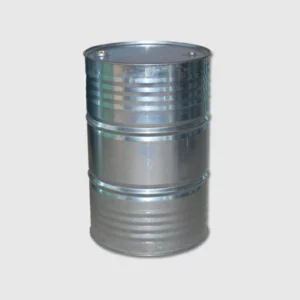
- Logistics and Packaging: DMAc is typically shipped in steel drums (E.g., 190-200 kg) or in larger Intermediate Bulk Containers (IBCC). For very large users, it may be available in ISO tanks. When importing from overseas, consider the total landed cost, which includes not just the price of the chemical but also ocean freight, kasigorohan, taripa, customs clearance fees, and inland transportation. Lead times can be long, so planning inventory levels carefully is necessary to avoid production disruptions.
- Supplier Reliability: A reliable supplier is one who can deliver a consistent quality product, sa oras, Matag higayon. Look for suppliers with a proven track record. Hangtod kanus-a sila naa sa negosyo? Can they provide references? Do they have the technical expertise to answer your questions and help troubleshoot problems? A good supplier is a partner, Dili lang usa ka tindera.
- Regulatory Compliance: Ensure that the supplier can provide all necessary documentation for import and safe handling, including a compliant Safety Data Sheet (SDS) formatted for your region, and that the product is properly classified and labeled for international transport.
Kanunay nga gipangutana nga mga pangutana (FAQ)
What is the main difference between Dimethylacetamide (DMAC) and Dimethylformamide (Dm)?
Both are polar aprotic solvents with similar applications, but they have key differences. DMAc has a higher boiling point (165 °C vs. 153 °C for DMF) ug, most notably, greater hydrolytic and thermal stability. This means DMAc is more resistant to breaking down in the presence of water or at high temperatures, making it a more robust choice for certain demanding reactions and polymer processing. DMF is often less expensive, so it may be preferred where its lower stability is not a concern.
Is DMAc considered a "green" or sustainable solvent?
By modern standards, DMAc is not typically classified as a "green" lapha. It is derived from petrochemical feedstocks and has recognized health hazards that require careful management. The chemical industry is actively researching and developing bio-based, less toxic alternatives (so-called "green solvents"), but for many high-performance applications where DMAc's unique solvency is required, effective replacements are not yet commercially available. The focus for DMAc use is on responsible management: minimizing emissions, protecting workers, and employing solvent recovery and recycling where feasible.
How should I store drums of DMAc?
DMAc should be stored in a cool, uga, well-ventilated area away from direct sunlight and sources of ignition, as it is a combustible liquid. It must be stored separately from strong oxidizing agents, mga asido, and bases. The storage area should have a non-combustible floor and, ideally, containment berms to control any potential spills. Always keep containers tightly sealed when not in use to prevent moisture absorption and vapor release.
Can DMAc be recycled or recovered after use?
Oo, in many industrial processes, DMAc can be recovered and reused. The most common method is distillation. Because DMAc has a high boiling point, it can often be separated from lower-boiling byproducts or washed out of a polymer and then separated from the wash liquid (sama sa tubig) by distillation. This reduces waste, lowers raw material costs, and improves the overall environmental footprint of the process. The feasibility of recovery depends on the specific process and the nature of the contaminants in the used solvent stream.
What are the first signs of a potential overexposure to DMAc?
Early symptoms of overexposure can be non-specific and may include nausea, nagsuka-suka, or abdominal pain. A more specific sign, which may appear hours after exposure, is jaundice—a yellowing of the skin and eyes—which indicates liver effects. Any worker who feels unwell after working with DMAc or who develops these symptoms should seek immediate medical attention and report the incident to their supervisor. Regular health monitoring is a critical part of a comprehensive safety program.
Why is DMAc used for spandex but not for nylon or polyester?
The choice of solvent is highly specific to the polymer's chemical structure. Spandex (a polyurethane) has a structure that interacts favorably with DMAc, allowing it to be dissolved effectively. Standard textile polymers like nylon (a polyamide) ug polyester (E.g., Binuhi) are typically produced using a different process called melt spinning. In melt spinning, the polymer is heated until it melts into a viscous liquid and is then extruded. This process does not require a solvent, which is simpler and more economical. DMAc is reserved for specialty polymers that cannot be easily melt-processed.
Usa ka katapusang konsiderasyon sa kaarang
The journey through the diverse Dimethylacetamide (DMAC) industrial applications reveals a narrative about chemical specificity. This single, relatively simple molecule has become embedded in a startling range of advanced manufacturing processes not by being a jack-of-all-trades, but by being a master of one: providing a stable, powerful, high-temperature liquid environment for molecules to react and polymers to dissolve. From the elasticity of a garment to the integrity of a microchip and the efficacy of a life-saving drug, the unseen work of this solvent continues to shape the material world. For the engineer, the chemist, and the procurement specialist, a deep appreciation of its capabilities and a profound respect for its handling requirements remain the keys to unlocking its full industrial potential in 2025 ug sa unahan.
Mga Pakisayran
Caloong Chemical Co., Ltd. (2023, Hulyo 12). Overview of Dimethylacetamide. Caloongchem.com. https://caloongchem.com/overview-of-dimethylacetamide/
Hangzhou Dachem Co., Ltd. (2025, Marso 27). China emerges as a leading supplier of Dimethyl Acetamide, Dimethyl Sulfoxide, and Dimethyl Sulfate globally. Hangdachem.com.
Meiyachem. (2025). DimethyaclaceTamide (DMAC). Meiyachem.com.
National Center for Biotechnology Information. (N.D.). PubChem Compound Summary for CID 31375, N,N-dimethyactamide. PubChem. Retrieved October 12, 2025, gikan sa https://pubchem.ncbi.nlm.nih.gov/compound/N_N-Dimethylacetamide
Sadeghi, M., Afzali, D., Fathi, M. R, & Torabi, M. (2012). Competitive removal of heavy metal ions from aqueous solutions by a batch technique. Journal of Hazardous Materials, 215–216, 121–128.
U.S. Occupational Safety and Health Administration. (N.D.). DimethyaclaceTamide. OSHA.gov. Retrieved October 12, 2025, gikan sa
Viet Quang Chemical. (2025). DimethyaclaceTamide (DMAC). Vietquang.vn. https://vietquang.vn/dimethylacetamide-dmac-190kgphuy-trung-quoc
World Health Organization. (1990). DimethyaclaceTamide. International Programme on Chemical Safety, Poisons Information Monograph 194.