Abstrakt
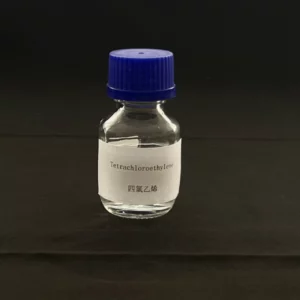
Tetrachlorethylen, Et ikke -brændbar flydende opløsningsmiddel, der almindeligvis er kendt som perchlorethylen (PCE), tjener en grundlæggende rolle på tværs af adskillige globale industrier, Fra tekstilpleje til avanceret kemisk fremstilling. Efterhånden som det industrielle landskab udvikler sig i 2025, Kina har styrket sin position som den vigtigste globale kilde til dette alsidige kemikalie. For internationale indkøbschefer i Sydamerika, Rusland, Sydøstasien, Mellemøsten, og Sydafrika, processen med at vælge en pålidelig kinesisk tetrachlorethylenproducent er en kompleks opgave, fyldt med overvejelser om produktets renhed, logistisk effektivitet, lovgivningsmæssig overholdelse, og forsyningskæde modstandsdygtighed. Et effektivt partnerskab afhænger af en producents evne til konsekvent at producere højkvalitets PCE, der opfylder strenge applikationsspecifikke standarder, såsom dem til metalaffedtning eller som en forløber i kølemiddelsyntese. Denne undersøgelse skitserer en omfattende ramme for vurdering af potentielle leverandører, understreger vigtigheden af at verificere kvalitet gennem certificeringer, vurdering af produktionskapacitet, navigere i indviklede internationale forsendelsesprotokoller, og sikring af gennemsigtig kommunikation for at fremme en stald, langsigtede kommercielle forhold.
Nøgle takeaways
- Bekræft produktets renhed ved at anmode om et analysecertifikat (COA) For hver batch.
- Vurder en producents produktionsskala for at sikre, at de kan opfylde dine volumenkrav.
- Afklar al logistik, inklusive Incoterms, for at forhindre uventede forsendelsesomkostninger.
- Bekræft, at den kinesiske tetrachlorethylen-producent har ISO 9001 og ISO 14001 certificeringer.
- Evaluer leverandørens kommunikation for teknisk dygtighed og lydhørhed.
- Udfør en grundig due diligence af virksomhedens omdømme, før du forpligter dig.
- Forstå den fulde omkostningsstruktur, ikke kun den oprindelige pris pr. tromle.
Indholdsfortegnelse
- Verifikation af produktkvalitet og renhedsstandarder
- Vurdering af produktionskapacitet og produktionsskala
- Navigering i international logistik og forsyningskædepålidelighed
- Gennemgang af lovoverholdelse og certificeringer
- Evaluering af kommunikation og kundesupport
- Analyse af omkostningsstrukturer og betalingsbetingelser
- Udførelse af due diligence og verifikation af producentens omdømme
Verifikation af produktkvalitet og renhedsstandarder
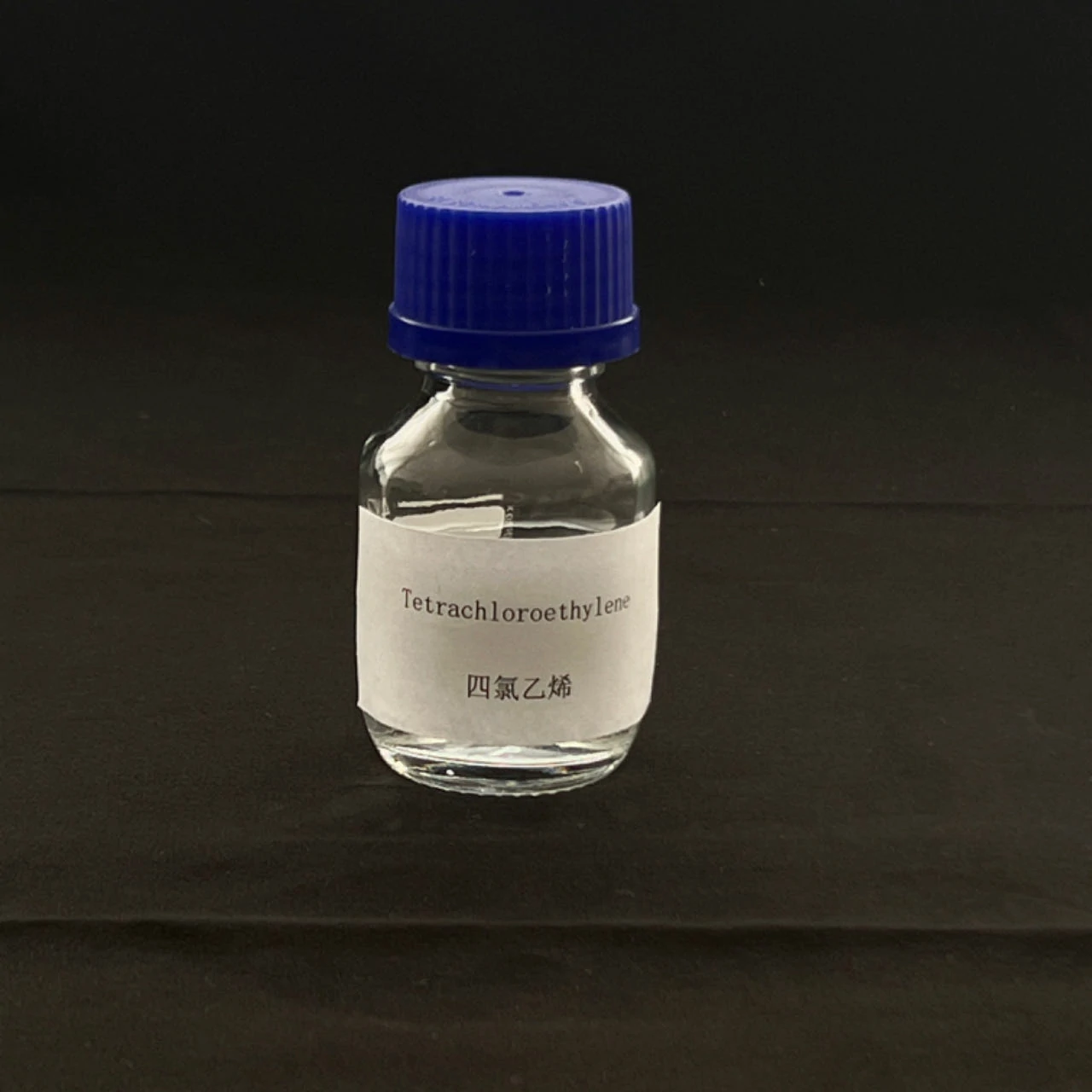
Forfølgelsen af et partnerskab med en kemikalieleverandør begynder ikke med prisen, men med et urokkeligt fokus på selve produktets integritet. I en verden af industrielle kemikalier, kvalitet er ikke blot en egenskab; det er selve grundlaget for sikkerheden ved processer, effektiviteten af applikationer, og din egen virksomheds omdømme er opbygget. Ved indkøb af tetrachlorethylen, en forbindelse, hvis ydeevne er direkte forbundet med dens renhedsniveau, denne kontrol bliver altafgørende. En batch forurenet med overskydende fugt, surhed, eller ikke-flygtige rester kan have kaskadende negative virkninger, om det forårsager skade på følsomme rensemaskiner, undlader at affedte en præcisionsmetaldel korrekt, eller forstyrre en delikat kemisk syntesereaktion. Derfor, det første og mest dybtgående ansvar for en indkøbsprofessionel er at etablere en robust metode til at verificere kvaliteten og renheden af materialet, der tilbydes af en potentiel kinesisk tetrachlorethylenproducent. Dette indebærer at bevæge sig ud over forsikringer på overfladeniveau til en dybere, evidensbaseret evaluering af deres kemiske produktion.
Forståelse af renhedsgrader og deres anvendelser
Ikke alt tetrachlorethylen er skabt lige. Stoffet er raffineret i flere forskellige kvaliteter, hver skræddersyet til et specifikt industrielt formål. Manglende forståelse for disse udmærkelser er en almindelig faldgrube for nye købere, fører til operationel ineffektivitet eller endda produktfejl. De mest udbredte kvaliteter inkluderer en renserikvalitet, en metalaffedtningskvalitet, og en syntesekvalitet med højere renhed. Rensekvaliteten er formuleret til at være skånsom mod tekstiler og samtidig aggressiv på organiske pletter som olier og fedt solventis.net. Det indeholder ofte specifikke stabilisatorer for at forhindre kemikaliet i at nedbrydes under varme og frigive ætsende syrer. Brug af en anden kvalitet i en rensemaskine kan føre til stofskade eller korrosion af udstyret.
Omvendt, metalaffedtningskvaliteten er optimeret til dampaffedtningsprocesser, hvor varm opløsningsmiddeldamp kondenserer på køligere metaldele for at opløse olier og forurenende stoffer. Dens formulering prioriterer høj solvens og stabilitet ved høje temperaturer. Syntesekarakteren, bruges som et kemisk mellemprodukt - for eksempel, i produktionen af hydrofluorcarboner (HFC'er) americanchemistry.com- kræver det højeste niveau af renhed, da selv spor urenheder kan forgifte katalysatorer eller skabe uønskede biprodukter i en reaktion. En kræsen køber skal først identificere den præcise kvalitet, der kræves til deres anvendelse og derefter sikre, at producenten konsekvent kan producere og certificere den specifikke kvalitet.
| Karaktertype | Typisk renhed | Primær anvendelse | Nøgleovervejelser |
|---|---|---|---|
| Rensningsgrad | 99.5% – 99.8% | Kommerciel tekstilrensning | Indeholder stabilisatorer for at forhindre syredannelse; skal være skånsom mod stoffer. |
| Metal affedtningskvalitet | > 99.8% | Dampaffedtning af metaldele | Høj stabilitet ved høje temperaturer; kraftig solvens for olier. |
| Syntese karakter | > 99.9% | Kemisk mellemprodukt (F.eks., HFC'er) | Ekstremt lavt fugt- og urenhedsniveau for at undgå bivirkninger. |
| Katalysator kvalitet | > 99.95% | Isomerisering i raffinaderier | Højeste renhed for at beskytte følsomme katalysatorer mod forgiftning. |
Betydningen af et analysecertifikat (COA)
Et løfte om kvalitet fra en sælger er én ting; Et analysecertifikat (COA) er en helt anden. COA er det vigtigste enkeltdokument i en kemisk transaktion. Det er en formel, batchspecifik rapport fra producentens kvalitetskontrollaboratorium, der giver en detaljeret kvantitativ opdeling af produktets kemiske egenskaber. Det er det, i det væsentlige, kemikaliets identitetskort. Et omfattende COA for tetrachlorethylen bør ikke blot angive renhedsprocenten. Det skal også detaljere andre parametre såsom udseende (det skal være klart, farveløs væske), densitet, Vandindhold, surhed (som HCl), og ikke-flygtig rest.
Forestil dig, at du køber PCE til en højteknologisk elektronikrengøringsapplikation. Et højt vandindhold, selv i ppm, kan føre til mikroskopisk korrosion på printplader. Høj surhedsgrad kan ætse sarte komponenter. En høj ikke-flygtig rest kan efterlade en film på overflader, hæmmer ydeevnen. COA leverer de objektive data, der er nødvendige for at forhindre disse resultater. Når du samarbejder med en kinesisk tetrachlorethylen-producent, du bør insistere på at se et repræsentativt COA for den karakter, du har til hensigt at købe. Endnu vigtigere, du skal etablere den kontraktmæssige forståelse af, at hver enkelt forsendelse vil blive ledsaget af sit eget unikke, batchspecifikt COA, og at materialet skal opfylde de aftalte specifikationer, der er skitseret heri.
Anmodning om prøver til uafhængig testning
Tillid, men verificer. Mens en producents COA er et uundværligt dokument, den ultimative kvalitetssikring kommer fra uafhængig, tredjepartsverifikation. Før man forpligter sig til en storvolumen-kontrakt, det er en standard og klog praksis at anmode om en lille prøve af tetrachlorethylen til din egen analyse. Dette giver dit interne kvalitetskontrolteam eller et betroet eksternt laboratorium mulighed for at udføre test og sammenligne resultaterne med producentens leverede COA. Dette trin tjener flere formål.
Først, det bekræfter leverandørens analytiske evner og ærlighed. Hvis dit laboratoriums resultater stemmer nøje overens med deres COA, det bygger et stærkt grundlag af tillid. Anden, det giver dig mulighed for at teste materialet direkte i din egen applikation i lille skala, bekræfter dens ydeevne, før den kommer ind i din hovedproduktionslinje. En prøve, der klarer sig godt i dine testkørsler, giver et kraftigt grønt lys til et større køb. Enhver velrenommeret producent vil uden videre acceptere at levere en prøve, ofte kun for forsendelsesomkostningerne. En leverandør, der tøver med eller nægter at levere en prøve til uafhængig evaluering, bør betragtes med ekstrem forsigtighed, da det kan tyde på manglende tillid til deres eget produkt. Dette verifikationstrin er en lille investering af tid og ressourcer, der kan forhindre enorme fremtidige omkostninger og komplikationer.
Vurdering af produktionskapacitet og produktionsskala
Når det grundlæggende spørgsmål om produktkvalitet er blevet behandlet tilfredsstillende, Forespørgslen skifter naturligvis til producentens kapacitet til at levere den kvalitet konsekvent og i den krævede skala. En producent kan fremstille en perfekt laboratorieprøve, men kan de kopiere den kvalitet på tværs af tusindvis af tons om året? Har de infrastrukturen til at håndtere en pludselig stigning i efterspørgslen eller fleksibiliteten til at tilpasse formuleringer til et specialiseret behov? At vurdere en potentiel partners produktionskapacitet svarer til at inspicere en bils motor efter at være blevet imponeret af dens skinnende ydre. Det handler om at forstå magten, pålidelighed, og teknologi, der driver driften. For en køber i en region som Mellemøsten eller Sydafrika, hvis forsyningsledninger strækker sig over oceaner, tillid til producentens robusthed i produktionen er ikke en luksus; det er en forudsætning for en stabil og forudsigelig forsyningskæde.
Evaluering af anlægskapacitet og teknologi
Det første trin i denne evaluering er at opnå en klar forståelse af producentens navnepladekapacitet - den teoretiske maksimale output af deres anlæg. Denne figur, normalt udtrykt i metriske tons om året, giver en baseline for deres evne til at betjene store kunder. Imidlertid, navneskiltets kapacitet alene er ikke hele historien. Man skal også spørge ind til deres nuværende operationelle kapacitet og deres kundeportefølje. En fabrik, der kører på 95% kapacitet med en fuld ordrebog kan have svært ved at rumme en ny, stor kunde uden at forårsage forsinkelser for sine eksisterende partnere. Omvendt, et anlæg med betydelig ledig kapacitet kan være mere adræt og ivrig efter nye forretninger.
Ud over rene tal, teknologien, der anvendes inden for fabrikken, taler meget. Moderne kemiske produktionsanlæg automatiseres i stigende grad, ved hjælp af distribuerede kontrolsystemer (DCS) at overvåge og styre variabler som temperatur, tryk, og flowhastigheder med høj præcision. Dette automatiseringsniveau minimerer potentialet for menneskelige fejl og sikrer en høj grad af batch-til-batch-konsistens - en egenskab af enorm værdi for enhver slutbruger. Når man diskuterer evner med et potentiale Kina tetrachlorethylenproducent, stille skarpe spørgsmål om deres produktionsteknologi, deres reaktorers alder, og deres kontrolsystemer kan afsløre meget om deres engagement i kvalitet og effektivitet.
Automatiseringens rolle i konsekvent produktion
Lad os dykke dybere ned i begrebet automatisering. Forestil dig den traditionelle metode til kemisk fremstilling, hvilket kan involvere, at en operatør manuelt åbner en ventil for at tilføje et reagens, visuel kontrol af en temperaturmåler, og registrering af værdien i en logbog. Hvert af disse trin introducerer et lille vindue for variabilitet. Ventilen kan åbnes lidt mere eller mindre, temperaturen aflæst en grad fra, eller tiden registreret upræcist. Mens en dygtig operatør kan opnå gode resultater, potentialet for afvigelse er altid til stede.
Nu, kontrast dette med en moderne, automatiseret system. En sensor måler temperaturen til en brøkdel af en grad og sender disse data til en central controller. Controlleren, efter en præcis algoritme, justerer automatisk en reguleringsventil for at holde temperaturen nøjagtigt på sætpunktet. Hvert trin i processen, fra fodring af råvarer til overførsel af slutproduktet, styres med digital præcision. Resultatet er et produkt, der ikke bare er konsistent fra en batch til den næste, men er konsekvent inden for selve batchen. Dette niveau af konsistens er det, der gør det muligt for en producent med tillid at producere tetrachlorethylen med en renhed på 99.9% eller højere, gang på gang. For en køber, det betyder færre overraskelser, mere pålidelig ydeevne i deres egne processer, og et slutprodukt af højere kvalitet.
| Incoterm | Sælgers ansvar | Købers ansvar | Risikooverførselspunkt | Bedst til |
|---|---|---|---|---|
| Exw (Ex fungerer) | Gør varer tilgængelige på deres fabrik. | Al transport, Eksport/importafstand, omkostninger. | Ved sælgers fabriksdør. | Indkøbere med stærk lokal logistik i oprindelseslandet. |
| Fob (Gratis om bord) | Levere varer til fartøjet i den navngivne oprindelseshavn, klar til eksport. | Hoved havfragt, forsikring, Import clearance, endelig levering. | Når gods lastes på skibet. | Købere, der ønsker kontrol over søfragt og forsikring. |
| Cif (Koste, Forsikring, og fragt) | Arranger og betal for transport og forsikring til den navngivne destinationshavn. | Importgodkendelse, pligter, og transport fra destinationshavnen. | Når varer lastes på fartøjet ved oprindelsen. | Købere, der foretrækker, at sælgeren håndterer forsendelsesarrangementer. |
| DDP (Leveret pligt betalt) | Levere varer til købers endelige destination, alle omkostninger og afgifter betalt. | Aflæsning på den endelige destination. | Når varer er til rådighed til aflæsning på destinationen. | Købere, der søger maksimal bekvemmelighed og minimalt ansvar. |
Tilpasningsmuligheder til specifikke applikationer
Mens tetrachlorethylen er et råvarekemikalie, nogle applikationer kræver specifikke formuleringer. Dette gælder især for stabilisatorer. Som et kloreret opløsningsmiddel, PCE kan nedbrydes under visse forhold (som høj varme og fugt) at danne små mængder saltsyre, som er stærkt ætsende. For at forhindre dette, fabrikanter tilføjer små mængder stabiliseringsmidler, ofte aminer eller epoxider. Den specifikke stabilisatorpakke kan variere. En formel, der er optimeret til dampaffedtning af aluminium, kan være anderledes end den, der bruges til rensning af stål, da forskellige metaller har forskellig følsomhed.
En virkelig dygtig producent besidder den tekniske ekspertise og produktionsfleksibiliteten til at tilpasse disse stabilisatorpakker til at imødekomme en kundes unikke krav. Dette går ud over blot at sælge et produkt fra hylden; det repræsenterer et samarbejde, problemløsende tilgang. Når du engagerer dig med en potentiel leverandør, forhør om deres R&D kapaciteter. Kan de analysere din specifikke proces og anbefale eller udvikle en skræddersyet stabiliseret karakter? En producent, der kan tilbyde dette niveau af tilpasning, er ikke kun en leverandør; de er en teknisk partner, der kan tilføje betydelig værdi til din drift ved at forbedre ydeevnen og forlænge dit udstyrs levetid. For eksempel, en pålidelig partner kan levere detaljerede specifikationer for tetrachlorethylen og diskuter, hvordan de kan tilpasses dine behov.
Navigering i international logistik og forsyningskædepålidelighed
Tetrachlorethylens rejse fra en fabrik i Kina til et fabriksgulv i Brasilien, Rusland, eller De Forenede Arabiske Emirater er en kompleks ballet af logistik, dokumentation, og risikostyring. En lav pris pr. tromle er meningsløs, hvis produktet kommer måneder for sent, er beskadiget under transporten, eller bliver fanget i tolden på grund af forkert papirarbejde. For internationale købere, især på markeder med indviklede importregler og lange sejlruter, en leverandørs logistiske kompetence er lige så vigtig som deres fremstillingsevne. Et sammenbrud i forsyningskæden kan standse produktionen, fører til økonomiske tab og beskadigede kunderelationer. Derfor, en grundig evaluering af en producents logistiske evner er en uundværlig del af due diligence-processen, sikre, at det kemikalie, du køber, rent faktisk kommer sikkert frem, til tiden, og i overensstemmelse med alle regler.
Forsendelse til Sydamerika, Rusland, og Mellemøsten
Hver målregion præsenterer sit eget unikke sæt af logistiske udfordringer og muligheder. Forsendelse til større havne i Sydamerika, såsom Santos i Brasilien eller Buenos Aires i Argentina, involverer lange sørejser, der kræver robust emballage og omhyggelig planlægning for at navigere potentielle vejrforsinkelser. Købere i denne region skal arbejde med leverandører, der har etableret relationer med rederier, der tilbyder pålidelig service til kontinentet.
For Rusland, logistik kan være mere kompleks. Mens søfragt til havne som St. Petersborg eller Novorossiysk er almindelig, over land jernbaneruter gennem den eurasiske landmasse er også en levedygtig, og nogle gange hurtigere, alternativ. En leverandør med erfaring i forsendelse til Rusland vil forstå nuancerne af både sø- og jernbanetransport, sammen med den specifikke tolddokumentation, der kræves af Den Eurasiske Økonomiske Union.
Mellemøsten, med store hub-havne som Jebel Ali i Dubai, er et meget effektivt, men krævende marked. Fragtlinjer er der rigeligt af, men havnemyndighederne har strenge regler for håndtering og dokumentation af kemiske produkter. En producent, der sender til denne region, skal udvise upåklagelig opmærksomhed på detaljer i deres papirarbejde og mærkning for at undgå dyre tilbageholdelser. Når man vetter en leverandør, bede om casestudier eller referencer fra kunder i din specifikke region. Deres erfaring, eller mangel på samme, vil være en stærk indikator for deres evne til at tjene dig effektivt.
Forståelse af incoterms (Fob, Cif, etc.)
Sproget i international handel tales i tre-bogstavs akronymer kendt som Incoterms. disse vilkår, udgivet af International Chamber of Commerce, præcist definere sælgers og købers ansvar for forsendelse af varer. Misforståelse af disse vilkår er en hyppig kilde til konflikt og uventede omkostninger. De mest almindelige udtryk for bulk kemikalieforsendelser er FOB (Gratis om bord) og CIF (Koste, Forsikring, og fragt).
Under FOB-vilkår, sælger er ansvarlig for at levere varerne til den udpegede afskibningshavn og laste dem på det af køberen udpegede fartøj. På det tidspunkt, risikoen og omkostningerne overgår til køber, som så er ansvarlig for hovedsøfragten, forsikring, og alle efterfølgende omkostninger. Dette giver køberen mere kontrol over forsendelsesprocessen.
Under CIF-vilkår, sælger er ansvarlig for at arrangere og betale for omkostningerne til transport og basisforsikring til købers destinationshavn. Risikoen, imidlertid, overføres stadig til køber, når varerne er lastet på skibet i oprindelseshavnen. Mens CIF kan være mere bekvemt for køberen, det giver mindre kontrol over valget af forsendelseslinje og transittider. Det er vigtigt at have en klar, skriftlig aftale om den specifikke Incoterm, der vil styre din transaktion for at sikre, at begge parter forstår deres forpligtelser.
Emballagestandarder for farlige materialer
Tetrachlorethylen, mens den ikke er brændbar, er klassificeret som et farligt stof til transport på grund af dets potentielle sundheds- og miljøeffekter. Som sådan, dets emballage og transport er strengt reguleret af internationale sø- og landtransportregler. Standardemballagen til international forsendelse er i nye eller renoverede ståltromler, typisk med en kapacitet på 200 til 300 kilogram. Disse tromler skal være UN-godkendte, hvilket betyder, at de er blevet testet og certificeret til at modstå belastningen ved transport, inklusive dråber, tryk, og stabling, uden at lække.
En ansvarlig kinesisk tetrachlorethylenproducent vil kun bruge høj kvalitet, FN-klassificerede tromler til deres eksportprodukter. De vil også sikre, at hver tromle er korrekt mærket i henhold til det globalt harmoniserede system (Ghs), med de rigtige piktogrammer, signalord, og faresætninger. Det ydre af selve forsendelsescontaineren skal også være mærket korrekt. Når man diskuterer emballage, forhør dig om specifikationerne for deres tromler, deres leverandør, og deres interne procedurer for at sikre korrekt mærkning. En fejl på dette område kan føre til, at forsendelsen afvises af rederiet eller holdes af havnemyndigheder, skabe et logistisk mareridt, der er helt undgået med en flittig leverandør.
Gennemgang af lovoverholdelse og certificeringer
I den moderne globale økonomi, fremstilling eksisterer ikke i et vakuum. Det fungerer inden for et komplekst net af lokale, national, og internationale regler for kvalitet, sikkerhed, og miljøpåvirkning. En producents overholdelse af disse standarder er en stærk indikator for deres professionalisme, deres engagement i etisk drift, og deres virksomheds langsigtede levedygtighed. For en køber af kemikalier som tetrachlorethylen, en leverandørs regulatoriske holdning har direkte konsekvenser. En certificeret, kompatibel producent er mindre tilbøjelige til at stå over for produktionsstop på grund af lovovertrædelser, at sikre en mere stabil forsyning. Deres produkter er mere tilbøjelige til at opfylde importkravene i dit land, og partnerskab med dem reducerer din egen omdømmerisiko. At undersøge en potentiel leverandørs certificeringer og overholdelsesregistre er ikke kun bureaukratisk afkrydsning; det er en grundlæggende vurdering af deres karakter og pålidelighed som forretningspartner.
ISO-certificeringer som benchmark
Den Internationale Standardiseringsorganisation (ISO) giver en globalt anerkendt ramme for ledelsessystemer. For en kemikalieproducent, to certificeringer er særligt fremtrædende: ISO 9001 og ISO 14001.
ISO 9001 er standarden for kvalitetsstyringssystemer. En producent certificeret til ISO 9001 har vist, at de har en systematisk tilgang til at sikre, at deres produkter konsekvent lever op til kunde- og lovkrav. Dette involverer dokumenterede processer for alt fra håndtering af råvarer til endelig produktinspektion til styring af kundefeedback. Det er en forpligtelse til proceskontrol og løbende forbedringer. Når en producent har en ISO 9001 certifikat fra et velrenommeret akkrediteringsorgan, det giver en stærk grad af tillid til, at de har et robust system på plads til at levere den kvalitet, de lover.
ISO 14001 er standarden for miljøledelsessystemer. Denne certificering viser, at en producent har et system til at identificere og kontrollere deres miljøpåvirkning, herunder håndtering af affald, at reducere forureningen, og overholder miljølovgivningen. For en kemikalieproducent, dette er dybt vigtigt. Det indikerer, at de håndterer deres processpildevand og affaldsstrømme ansvarligt, som ikke kun beskytter miljøet, men også reducerer risikoen for lovgivningsmæssige bøder eller nedlukninger, der kan forstyrre din forsyning. Ved gennemgang af en potentiel leverandør, bede altid om kopier af deres nuværende ISO 9001 og ISO 14001 certifikater.
Forståelse af REACH og andre regionale bestemmelser
Mens ISO-standarder er globale, mange regioner har deres egne specifikke kemikalieregler, som skal overholdes for at et produkt kan importeres og bruges. Den mest fremtrædende af disse er REACH (Registrering, Evaluering, Tilladelse og begrænsning af kemikalier), lovgivningsrammen for Den Europæiske Union. Mens din virksomhed måske ikke er i EU, en producent, der har gennemgået den strenge og dyre proces med at registrere deres tetrachlorethylen under REACH, udviser et højt niveau af teknisk og regulatorisk sofistikering. De har samlet et omfattende dossier med sikkerheds- og miljødata om deres produkt, hvilket taler for deres gennemsigtighed og kapacitet.
Andre regioner har deres egne systemer, såsom UK REACH i Det Forenede Kongerige, K-REACH i Sydkorea, og lignende rammer i Tyrkiet og andre nationer. En producent, der aktivt sporer og overholder disse forskellige internationale regler, er mere tilbøjelige til at være forberedt på eventuelle nye eller udviklende krav i dit eget land. Deres proaktive holdning til global compliance er et tegn på en fremadrettet tænkning, organisation i verdensklasse, der ser overholdelse af lovgivningen ikke som en byrde, men som en del af at drive forretning ansvarligt.
Sikkerhedsdatablade (SDS) og korrekt mærkning
Ud over certificeringer, levering af et omfattende og nøjagtigt sikkerhedsdatablad (SDS) er et juridisk og etisk krav. SDS (tidligere kendt som MSDS) er en detaljeret, 16-afsnitsdokument, der giver omfattende information om et kemikalies egenskaber; dets helbred, fysisk, og miljøfarer; og sikkerhedsforanstaltninger for håndtering, opbevaring, og transportere den. Dette dokument er afgørende for sikkerheden for dine egne arbejdere, beredskabspersonale, og enhver, der kommer i kontakt med kemikaliet.
En professionel kinesisk tetrachlorethylenproducent vil levere et sikkerhedsdatablad, der er i overensstemmelse med det globalt harmoniserede system (Ghs) format, og som er blevet opdateret for at afspejle de mest aktuelle toksikologiske og sikkerhedsdata, der er tilgængelige fra kilder som Agenturet for Giftige Stoffer og Sygdomsregistret, cdc.gov. Oplysningerne i sikkerhedsdatabladet skal stemme overens med etiketterne på tromlerne. Undersøg det SDS, du modtager fra en potentiel leverandør. Er det komplet? Er det professionelt skrevet på klart engelsk? Afspejler det nøjagtigt farerne ved tetrachlorethylen? Kvaliteten af deres sikkerhedsdokumentation er ofte en direkte afspejling af kvaliteten af deres samlede drift.
Evaluering af kommunikation og kundesupport
I et langdistance forretningsforhold, der spænder over kontinenter og kulturer, kvaliteten af kommunikationen er den lim, der holder partnerskabet sammen. En transaktion, der involverer farlige kemikalier, kræver absolut klarhed, præcision, og lydhørhed. Uklarheder, forsinkelser, eller misforståelser kan føre til forkerte ordrer, forsendelsesfejl, eller manglende evne til at løse problemer hurtigt. Ved vurdering af en potentiel tetrachlorethylenproducent i Kina, det er derfor bydende nødvendigt at vurdere ikke kun deres produkt og deres plante, men også deres folk og deres kommunikationsprotokoller. En leverandør, der investerer i en professionel, teknisk dygtig, og lydhørt kundevendt team viser et ægte engagement over for deres internationale kunder. Denne “blød dygtighed” er ofte den afgørende faktor, der adskiller en frustrerende, transaktionsforhold fra en glat, langsigtet strategisk alliance.
Vigtigheden af engelskkundskaber og teknisk ekspertise
For købere i Sydamerika, Rusland, Mellemøsten, og Sydafrika, Engelsk er typisk lingua franca for international handel. Evnen hos en leverandørs salgs- og supportmedarbejdere til at kommunikere flydende og præcist på engelsk er et ikke-forhandlingsbart udgangspunkt. Dette går ud over grundlæggende samtalefærdigheder. Teamet skal kunne diskutere komplekse tekniske specifikationer, forstå nuancerne i din ansøgning, og fortolke logistiske krav uden risiko for fejlkommunikation.
Lige så vigtig er deres tekniske ekspertise. Er dit kontaktpunkt en sælger, der kun kender varenumre og priser, eller er de en uddannet fagmand, der forstår tetrachlorethylens kemi? Kan de intelligent diskutere stabilisatorernes rolle, implikationerne af forskellige renhedsniveauer, eller de testmetoder, der anvendes i deres COA? Når der opstår et problem – f.eks, hvis et parti opløsningsmiddel ikke fungerer som forventet i din proces - har du brug for en modpart, der kan forstå problemets tekniske karakter og samarbejde med deres laboratorium for at finde en løsning. De indledende interaktioner med en leverandørs team er en stærk indikator for dybden af deres organisation.
Responsivitet og problemløsningsevner
Hurtigheden og kvaliteten af en leverandørs svar på dine forespørgsler er et direkte mål for, hvor meget de værdsætter din potentielle virksomhed. I et hurtigt industrielt miljø, Det er uacceptabelt at vente dage på svar på et simpelt spørgsmål om lagertilgængelighed eller en forsendelsesplan. En professionel organisation vil have systemer på plads til at sikre, at e-mails bekræftes hurtigt, og at spørgsmål sendes til den rigtige person for et hurtigt og præcist svar.
Ud over simpel lydhørhed, imidlertid, ligger den mere dybtgående evne til at løse problemer. I ethvert langsigtet forsyningsforhold, problemer vil uundgåeligt opstå. En forsendelse kan blive forsinket af en storm, en tromle kan blive beskadiget af en gaffeltruck i havnen, eller en toldembedsmand kan sætte spørgsmålstegn ved et stykke papirarbejde. En leverandørs sande test er, hvordan de reagerer i disse øjeblikke. Bliver de defensive og giver andre skylden, eller tager de ejerskab over situationen og arbejder proaktivt sammen med dig for at finde en løsning? Før du underskriver en kontrakt, du kan overveje at stille et hypotetisk problem til en potentiel leverandør for at måle deres reaktion. Deres tilgang til en simuleret udfordring kan afsløre en hel del om, hvordan de vil præstere, når en rigtig udfordring opstår. At finde en partner med et samarbejde, problemløsning tankegang er uvurderlig.
Opbygning af et forhold ud over transaktionen
De mest succesrige internationale indkøbsforhold udvikler sig ud over en simpel serie af køb-salg transaktioner til et ægte partnerskab. Dette er bygget på et fundament af gensidig tillid, Delte mål, og åben kommunikation. En leverandør, der ser dig som en langsigtet partner, vil være mere villig til at investere i din succes. De tilbyder muligvis mere fleksible betalingsbetingelser over tid, hold sikkerhedslager, så du kan støde mod forsyningskædeforstyrrelser, eller give forhåndsmeddelelse om markedstendenser, der kan påvirke priserne.
Denne form for forhold fremmes af konsistens, gennemsigtighed, og et menneskeligt præg. Leverer leverandøren en dedikeret account manager, der forstår din historie og dine behov? Tjek de med jævne mellemrum ind for at se, hvordan produktet klarer sig? Deler de oplysninger, der kan gavne din virksomhed? Når du er forståelse for virksomhedens historie og værdier, du leder efter beviser på, at de ser deres kunder som partnere i stedet for blot poster på et regneark. Denne relationelle tilgang transformerer forsyningskæden fra et potentielt friktionspunkt til en kilde til konkurrencefordele.
Analyse af omkostningsstrukturer og betalingsbetingelser
Mens kvalitet, evne, og compliance danner grundlaget for et godt leverandørforhold, det er de økonomiske aspekter af partnerskabet, der gør det bæredygtigt. En analyse af omkostninger kan ikke være en overfladisk sammenligning af kiloprisen. En virkelig klog køber skal dekonstruere hele omkostningsstrukturen, fra råvareinput til den endelige leverede pris, samtidig med at man vurderer fleksibiliteten og sikkerheden af betalingsbetingelserne. Målet er ikke blot at finde den billigste kinesiske tetrachlorethylen-producent, men for at finde den, der giver den bedste samlede værdi og de mest fordelagtige økonomiske vilkår for dit cash flow. En dårligt forstået omkostningsstruktur kan føre til uventede gebyrer, der udhuler dine marginer, mens ufleksible betalingsbetingelser kan belaste din arbejdskapital. En grundig økonomisk evaluering er den sidste brik i puslespillet i valget af en robust og pålidelig forsyningspartner.
Dekonstruere prisen: Råvarer, Produktion, Logistik
Prisen på tetrachlorethylen er ikke et vilkårligt tal. Det er afledt af flere nøglekomponenter. De primære inputomkostninger er ethylen og klor, de råmaterialer, der anvendes i dets syntese. Markedspriserne på disse råvarer er volatile og vil direkte påvirke prisen på det endelige produkt. En gennemsigtig leverandør bør være i stand til at diskutere disse markedsdynamikker med dig.
Den anden komponent er produktionsomkostningerne. Dette inkluderer energi, arbejdskraft, opretholdelse, og amortisering af anlæggets kapitalomkostninger. En moderne, effektiv, og storskalaanlæg vil generelt have en lavere produktionsomkostning pr. enhed end en ældre, mindre, eller mindre effektiv.
Den sidste store komponent er logistik. Dette omfatter omkostningerne til FN-godkendte tromler, indlandstransport til havnen, søfragt, forsikring, og havnehåndteringsgebyrer. Disse omkostninger kan variere betydeligt afhængigt af den valgte Incoterm, rederiet, og destinationshavnen. Ved at forstå disse forskellige omkostninger, du kan have en mere intelligent samtale med en leverandør om deres priser og identificere områder, hvor omkostningerne kan optimeres.
Sammenligning af citater: Ud over omkostningerne pr. enhed
Når du modtager tilbud fra flere leverandører, det er fristende blot at se på FOB- eller CIF-prisen og vælge den laveste. Dette er en almindelig, men potentielt dyr fejl. En omfattende sammenligning skal se på de samlede ejeromkostninger. For eksempel, Leverandør A kan tilbyde en pris, dvs $0.05 kg lavere end leverandør B. Imidlertid, Leverandør A insisterer på betalingsbetingelser vedr 100% på forhånd, mens Leverandør B tilbyder vilkår vedr 30% forskud og 70% mod en kopi af fragtbrevet. Den cash flow-fordel, som leverandør B tilbyder, kunne nemt opveje den lille prisforskel.
Desuden, overveje kvalitets- og pålidelighedsfaktoren. Leverandør A's lavere pris kan være resultatet af at bruge råvarer af lavere kvalitet eller have en mindre streng kvalitetskontrolproces, fører til en højere risiko for batchafvisning fra din side. Omkostningerne ved en enkelt afvist batch – inklusive nedetiden i dit anlæg og omkostningerne ved bortskaffelse – ville overskygge enhver indledende besparelse. En korrekt prissammenligning placerer prisen pr. enhed i sammenhæng med betalingsbetingelser, produktkvalitet, logistisk pålidelighed, og leverandørens overordnede serviceniveau. Et holistisk syn afslører ofte, at det billigste tilbud ikke er det, der giver den bedste værdi.
Fleksible betalingsmuligheder (L/c, T/t)
I international handel, de to mest almindelige betalingsmetoder er telegrafisk overførsel (T/t) og remburs (L/c). T/T er i bund og grund en bankoverførsel. En almindelig ordning er en delbetaling forud (F.eks., 30%) at igangsætte bestillingen, med balancen (70%) betales efter at leverandøren har fremlagt en kopi af forsendelsesdokumenterne, bevise, at varerne er på vej. Dette afbalancerer risikoen mellem køber og sælger. Sælger får tilsagn, og køber betaler først det fulde beløb, før varerne er afsendt.
Et remburs er et mere formelt og sikkert instrument. Det er en garanti fra købers bank til sælgers bank, at betaling sker, når visse betingelser er opfyldt (typisk, præsentationen af specifikke, kompatible forsendelsesdokumenter). Mens L/C'er tilbyder en høj grad af sikkerhed for begge parter, de er også mere komplekse og involverer bankgebyrer.
En fleksibel og erfaren producent vil være komfortabel med at arbejde med både T/T og L/C arrangementer. De kan være villige til at starte med en mere sikker metode som en L/C for de første par ordrer og derefter gå over til mere omkostningseffektive T/T-vilkår, når et tillidsforhold er etableret. Deres vilje til at diskutere og imødekomme forskellige betalingsstrukturer er et tegn på deres erfaring med international handel og deres forpligtelse til at opbygge et langsigtet partnerskab med en omfattende kemikalieleverandør.
Udførelse af due diligence og verifikation af producentens omdømme
Den sidste fase af udvælgelsesprocessen involverer syntetisering af alle de indsamlede oplysninger og gennemførelse af en sidste runde af due diligence for at verificere producentens omdømme og legitimitet. I en tid, hvor en sofistikeret hjemmeside kan skabes på en dag, det er vigtigt at kigge bag det digitale gardin og bekræfte, at virksomheden er en ægte, velrenommerede, og stabil industriel producent. Denne verifikationsproces beskytter dig mod potentiel svindel, fly-by-night handelsvirksomheder, der udgiver sig for at være producenter, og leverandører med en dårlig track record. Det er den endelige bekræftelse på, at løfterne i e-mails og telefonopkald bakkes op af en ægte, fysisk drift med en historie med at tilfredsstille sine kunder. Dette trin kræver lidt efterforskningsarbejde, men den ro i sindet, det giver, er umådelig.
Udnyttelse af onlinetilstedeværelse og digitale fodspor
En virksomheds digitale fodaftryk kan være meget afslørende. Start med en grundig gennemgang af deres hjemmeside. Er det professionelt og detaljeret, eller er det simpelt, generisk skabelon? Se efter en “Om os” side, der beskriver deres historie, en fysisk adresse til deres fabrik (som du så kan slå op på satellitkort), og fotos eller videoer af deres faciliteter. Vær på vagt over for websteder, der kun viser stockfotos og ikke giver nogen specifikke oplysninger om deres egen drift.
Ud over deres hjemmeside, se efter deres tilstedeværelse på professionelle platforme som LinkedIn. Har deres nøglemedarbejdere profiler? Sender virksomheden opdateringer om deres branche eller deres deltagelse i handelsbegivenheder? Du kan også bruge virksomhedsmapper og B2B-platforme, men tilgå dem med et kritisk blik, da fortegnelser nogle gange kan være ubekræftede. En søgning på virksomhedens navn i nyhedsartikler eller branchepublikationer kan også afdække værdifuld information, både positive og negative. En stærk, konsekvent, og professionel online tilstedeværelse er et godt tegn, mens en sparsom eller inkonsekvent man bør rejse spørgsmål.
Søger tredjepartsrevisioner og fabriksbesøg
Den mest definitive måde at bekræfte en producent på er at se fabrikken for dig selv. For en stor, langtidskontrakt, udgifterne til en tur for at udføre en fysisk fabriksrevision er en fornuftig investering. Et besøg giver dig mulighed for at møde holdet personligt, se produktionslinjen i aktion, inspicere laboratoriet, og observere deres sikkerhed og miljøpraksis på egen hånd. Dette giver et niveau af indsigt, som ingen mængde af e-mails kan replikere.
I situationer, hvor et fysisk besøg ikke er muligt, en virtuel fabriksrundvisning kan være et værdifuldt alternativ. Bed leverandøren om at foretage et live videoopkald, hvor de leder dig gennem deres nøglefaciliteter. En anden effektiv mulighed er at hyre et tredjepartsinspektions- eller revisionsfirma med base i Kina. For et rimeligt gebyr, disse firmaer kan sende en kvalificeret revisor til fabrikken på dine vegne for at verificere deres certificeringer, kontrollere deres produktionsprocesser, og endda overvåge lastningen af din første forsendelse. Denne uafhængige verifikation giver et mål, vurdering på stedet af leverandørens evner og legitimitet.
Kontrol af messedeltagelse og branchemedlemskaber
Legitim, etablerede producenter er typisk aktive medlemmer af deres industri. En af de bedste indikatorer på dette er deres deltagelse i store kemiske industrimesser, både i Kina (ligesom China International Chemical Industry Fair) og internationalt (som Chemspec Europe eller tilsvarende regionale). En virksomhed, der investerer i en stand på en større messe, signalerer sin seriøsitet og sit engagement i det globale marked. Deres navn på en udstillerliste er en form for offentlig verifikation.
Tilsvarende, kontrollere for medlemskaber i relevante brancheforeninger, såsom lokale kemiske industrigrupper eller handelskamre. Disse medlemskaber tyder på, at virksomheden er integreret i det bredere erhvervsliv og holdes til dette samfunds standarder. Selvom det ikke er en idiotsikker garanti, en historie med deltagelse i messer og branchegrupper bidrager til et billede af en stald, forlovet, og velrenommeret virksomhed. Det er endnu et bevis på, at du har med en seriøs spiller at gøre, ikke en perifer eller forbigående enhed.
FAQ
Hvad er den vigtigste anvendelse af tetrachlorethylen? Tetrachlorethylen, eller perchlorethylen (PCE), er et meget alsidigt opløsningsmiddel. Dens primære anvendelser omfatter rensende tekstiler, hvor den effektivt fjerner olier og fedtstoffer, og dampaffedtning af metaldele i bil- og elektronikindustrien for at sikre rene overflader til efterfølgende processer som belægning eller svejsning. Det bruges også som et kemisk mellemprodukt i produktionen af visse kølemidler.
Er tetrachlorethylen det samme som perchlorethylen? Ja, tetrachlorethylen og perchlorethylen (PCE) er to almindelige navne for den samme kemiske forbindelse. Dens systematiske IUPAC-navn er tetrachlorethen. Begreberne bruges i flæng i industrien, med “perchlorethylen” eller “pr” er meget almindelig i renseriet.
Hvordan sendes tetrachlorethylen internationalt? Tetrachlorethylen sendes typisk internationalt i FN-godkendte ståltromler, med en standardkapacitet på ca 300 kg. Disse tromler bliver derefter læsset i standard 20 fods forsendelsescontainere. Fordi det er klassificeret som et farligt materiale til transport, al emballage, mærkning, og dokumentation skal nøje overholde international maritime (IMDG) og vej-/jernbanetransportregler.
Hvilket renhedsniveau har jeg brug for til min ansøgning? Det nødvendige renhedsniveau afhænger helt af din applikation. Til standard kemisk rensning eller metalaffedtning, en renhed af 99.5% til 99.8% er ofte tilstrækkeligt. Imidlertid, til mere følsomme applikationer, såsom et råmateriale til kemisk syntese eller til rengøring af præcisionselektronik, en højere renhedsgrad på 99.9% eller større er nødvendigt for at forhindre uønskede bivirkninger eller rester.
Hvorfor er Kina en vigtig kilde til tetrachlorethylen? Kina er blevet en stor global kilde til tetrachlorethylen på grund af flere faktorer. Disse omfatter adgang til de nødvendige råvarer (ethylen og klor), en storstilet og teknologisk avanceret infrastruktur for kemisk fremstilling, og konkurrencedygtige produktionsomkostninger. Denne kombination gør det muligt for kinesiske producenter at levere store mængder til det globale marked effektivt.
Hvilke dokumenter skal jeg forvente fra en kinesisk tetrachlorethylen-producent? For enhver international forsendelse, du skal forvente at modtage en handelsfaktura, en pakkeliste, en fragtbrev (eller andet transportdokument), og et oprindelsescertifikat. Af afgørende betydning, du skal også modtage et batchspecifikt analysecertifikat (COA) detaljering af produktets kvalitetsspecifikationer og et omfattende sikkerhedsdatablad (SDS) i overensstemmelse med GHS-standarder.
Kan jeg få en prøve, før jeg afgiver en stor ordre? Ja, absolut. At anmode om en prøve til uafhængig laboratorietestning og til småskalaforsøg i din egen applikation er en standard og stærkt anbefalet del af due diligence-processen. Enhver velrenommeret producent vil være villig til at give en prøve, beder typisk kun om, at køber dækker kureromkostningerne.
Konklusion
At vælge den rigtige tetrachlorethylenproducent i Kina er en multidimensionel beslutning, der rækker langt ud over en simpel prissammenligning. Det er en strategisk sourcing-proces, der kræver en holistisk evaluering af en potentiel partners forpligtelse til kvalitet, deres produktionsstabilitet, deres logistiske indsigt, og deres regulatoriske integritet. Ved systematisk at arbejde gennem disse nøglefaktorer – fra verificering af renhed med et COA og uafhængig test, at vurdere anlægskapacitet og teknologi, at undersøge deres viden om din regions logistik – du opbygger et omfattende billede af deres evner. En grundig undersøgelse af certificeringer som ISO 9001, klarheden i deres kommunikation, og rimeligheden af deres økonomiske vilkår forfiner dette billede yderligere. Denne flittige, struktureret tilgang mindsker risiko og forvandler en potentielt belastende langdistancetransaktion til grundlaget for en robust og velstående forsyningskæde. Det ultimative mål er at skabe et partnerskab med en leverandør, der ikke kun fungerer som en leverandør, men som en pålidelig, gennemsigtig, og teknisk kompetent forlængelse af egen drift.