Abstrakt
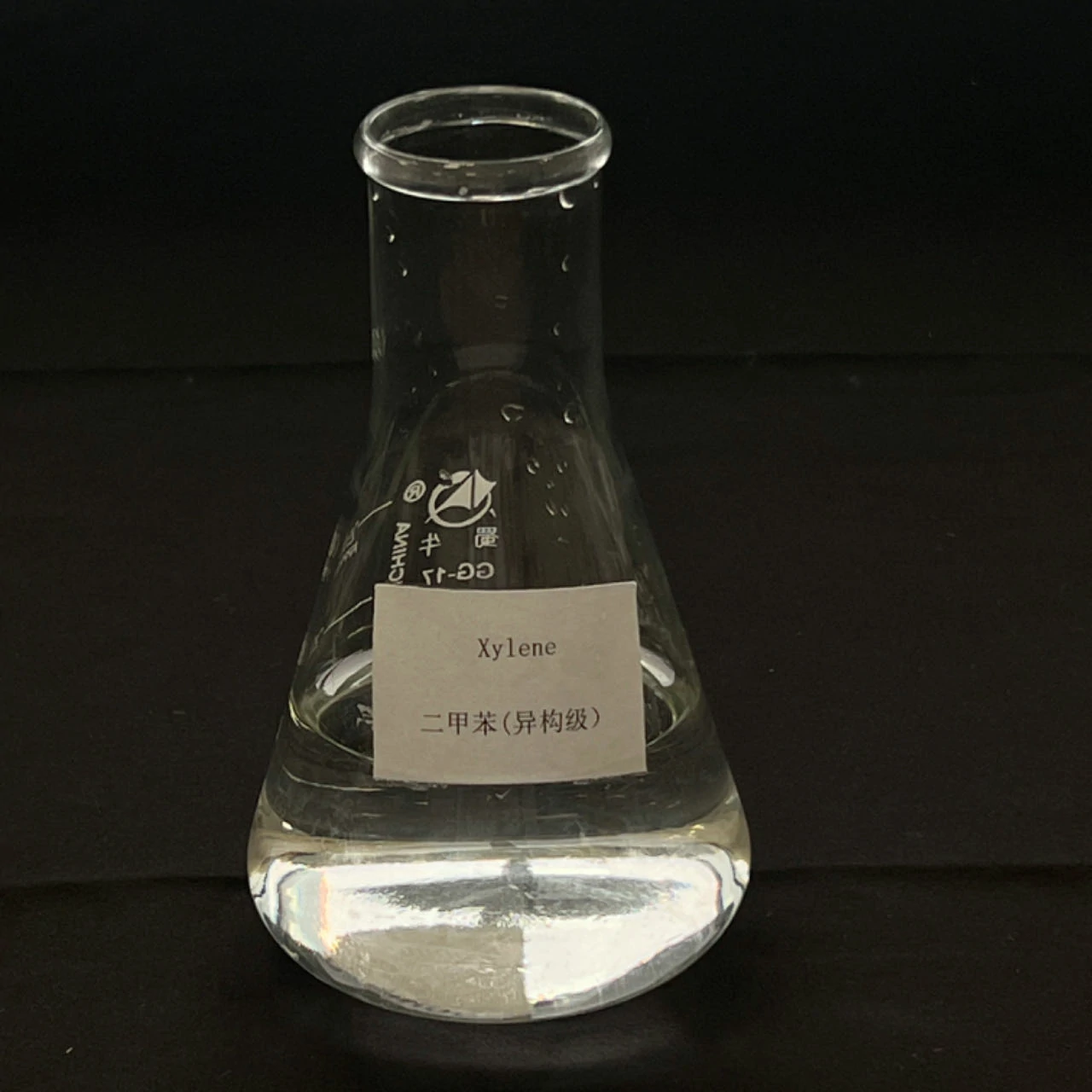
Xylen, et aromatisk carbonhydrid med formlen C8H10, tjener som et grundlæggende opløsningsmiddel og kemisk mellemprodukt på tværs af adskillige globale industrier. Dens nytteværdi i malinger, belægninger, klæbemidler, og laboratorieprocesser understreger en konsekvent international efterspørgsel. Denne vejledning undersøger den indviklede proces med at købe dette vigtige kemikalie, fokuserer specifikt på indkøb fra en kinesisk xylenproducent. Fra 2025, Kina er fortsat en dominerende kraft i den globale kemiske produktion, giver betydelige kapacitets- og omkostningsfordele. For internationale købere på både udviklende og etablerede markeder, at navigere i dette landskab giver udfordringer relateret til kvalitetssikring, lovgivningsmæssig overholdelse, og logistiske kompleksiteter. Dette dokument giver en systematisk, fire-trins rammer designet til at styrke indkøbsledere og laboratorieteknikere. Den detaljerer den tekniske evaluering af xylenprodukter, metoder til at verificere leverandørens legitimitet, strategies for managing international shipping and multimodal compliance, and approaches for fostering robust, long-term supplier partnerships, thereby mitigating risk and ensuring a stable, high-quality supply chain.
Nøgle takeaways
- Verify a supplier by examining certifications, technical data sheets, and requesting samples.
- Understand xylene’s three isomers (ortho-, meta-, para-) to match the correct grade to your application.
- Master international shipping terms (INCOTERMS) to manage cost and risk effectively.
- A reliable China xylene manufacturer provides comprehensive quality and compliance documentation.
- Anticipate and prepare for the specific import regulations of your home country or region.
- Focus on building a long-term partnership rather than a purely transactional relationship.
- Prioritize clear communication to overcome potential cultural and linguistic barriers.
Indholdsfortegnelse
- Trin 1: Foundational Knowledge – Understanding Xylene and Its Market Dynamics
- Trin 2: The Vetting Process – Scrutinizing Supplier Credentials and Quality
- Trin 3: Logistics and Compliance – Ensuring a Smooth Path from Factory to Facility
- Trin 4: Building a Partnership – Communication, Negotiation, and Long-Term Reliability
Trin 1: Foundational Knowledge – Understanding Xylene and Its Market Dynamics
Embarking on the procurement of any industrial chemical requires a deep appreciation for the material itself. To intelligently source xylene, one must first grasp its chemical nature, its vast utility, and the global market currents that dictate its flow. This foundational understanding is not merely academic; it is the bedrock upon which sound purchasing decisions are built. It allows you to ask the right questions, to interpret technical data with a discerning eye, and to recognize value beyond a simple price quote. Think of it as learning the language of the product before you attempt to negotiate its purchase. Without this fluency, you risk miscommunication, sourcing the wrong grade, or overlooking subtle signs of a mismatched supplier relationship. Let us begin by examining the identity of xylene, a substance far more complex than its common name suggests.
The Chemical Identity of Xylene: Beyond a Simple Solvent
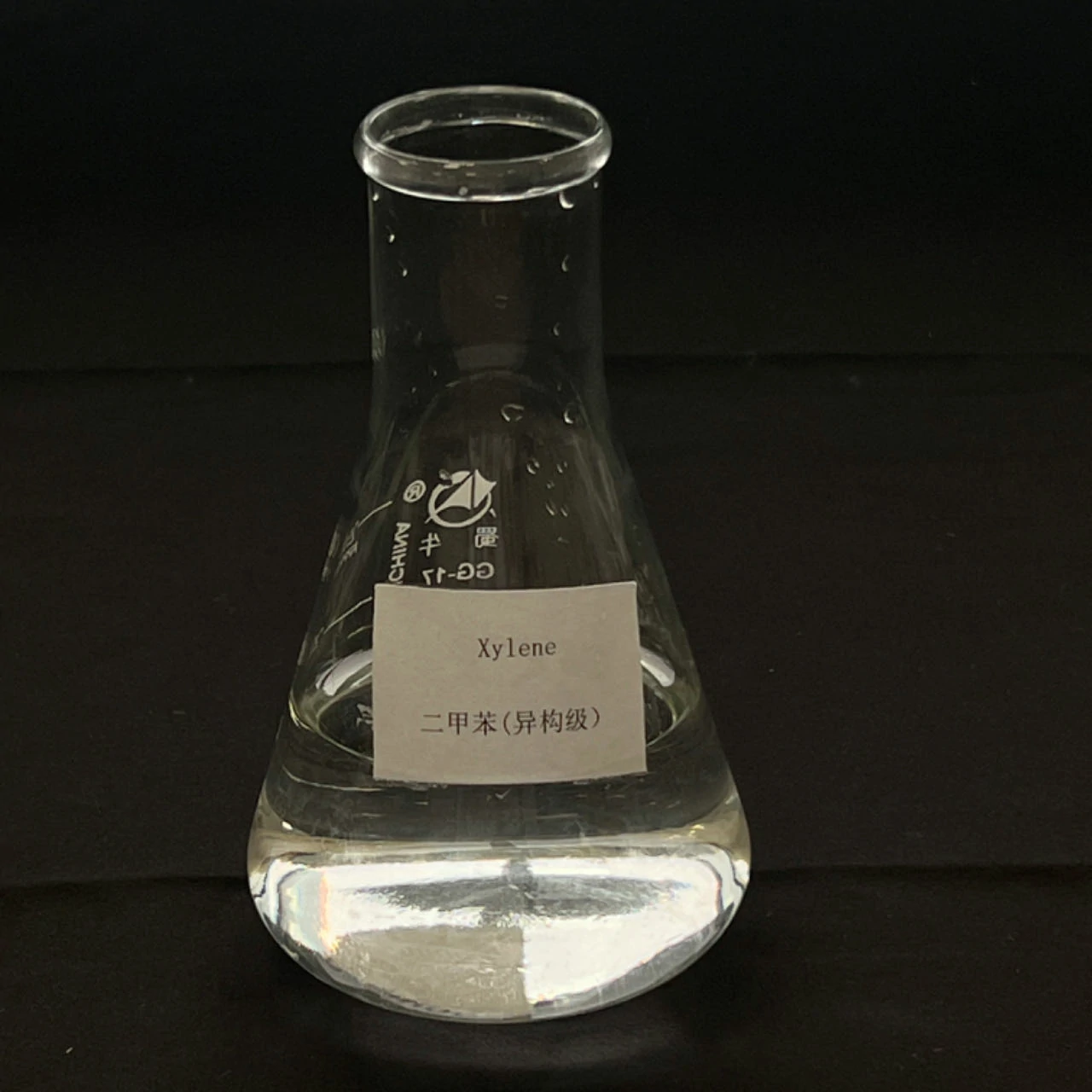
I kernen, xylene is a colorless, sweet-smelling, and flammable liquid. It belongs to the family of aromatic hydrocarbons, meaning its structure is based on a benzene ring. Its chemical formula, C8H10, tells a simple story of eight carbon atoms and ten hydrogen atoms. The deeper, more meaningful story lies in how those atoms are arranged. Xylene exists in three distinct forms, or isomers: ortho-xylene (o-xylene), meta-xylene (m-xylene), and para-xylene (p-xylene).
Forestil dig, at du har en enkelt Lego-bundplade (benzenringen) og to identiske specielle legoklodser (methylgrupperne, -CH3). De forskellige positioner, du kan fastgøre de to specielle klodser til bundpladen, skaber de tre forskellige isomerer.
- Ortho-xylen: De to methylgrupper er på tilstødende carbonatomer i benzenringen (stillinger 1 og 2).
- Meta-xylen: Methylgrupperne er adskilt af et carbonatom (stillinger 1 og 3).
- Para-xylen: Methylgrupperne er på modsatte sider af benzenringen (stillinger 1 og 4).
Hvorfor betyder denne strukturelle nuance noget for dig, Køberen? Fordi hver isomer har lidt forskellige fysiske egenskaber, såsom kogepunkter og smeltepunkter, hvilket gør dem velegnede til forskellige industrielle processer. Para-xylen, for eksempel, er et primært råmateriale til fremstilling af terephthalsyre (TPA) og dimethylterephthalat (DMT), som derefter bruges til fremstilling af polyethylenterephthalat (KÆLEDYR) plastic for bottles and polyester fibers. Ortho-xylene is a precursor for phthalic anhydride, a key ingredient in plasticizers.
Most often, what is sold commercially as an industrial solvent is not a single, pure isomer but a blend referred to as “mixed xylenes” or sometimes by the older name “xylol” pmc.ncbi.nlm.nih.gov. This mixture typically contains all three isomers plus a certain amount of ethylbenzene, another C8H10 aromatic hydrocarbon. The exact composition of this mixture is what a manufacturer’s Technical Data Sheet (TDS) will specify. A discerning buyer will scrutinize this composition to ensure it aligns with their process requirements. For eksempel, a process sensitive to ethylbenzene will require sourcing a xylene grade with a very low concentration of that particular component.
A Spectrum of Applications: Xylenes industrielle betydning
Værdien af xylen realiseres i dets ekstraordinære alsidighed som opløsningsmiddel og kemisk forløber. Dens evne til at opløse mange ikke-polære forbindelser, som olier, harpikser, og voks, gør det til et uundværligt værktøj i utallige brancher. Dens relativt langsomme fordampningshastighed sammenlignet med andre opløsningsmidler som toluen er ofte fordelagtig, giver mulighed for bedre flow og udjævning i maling og belægninger. Lad os undersøge nogle af dens mest fremtrædende roller.
| Industri Vertikal | Primær brug af xylen | Funktion og begrundelse |
|---|---|---|
| Maling & Overtræk | Solvent Carrier | Opløser harpiks og pigmenter, kontrollerer viskositet og tørretid for en glat, holdbar finish. |
| Klæbemidler & Fugemasser | Opløsningsmiddel & Rengøringsmiddel | Anvendes i gummicement og mastik; renser også overflader og værktøj ved at opløse uhærdet klæbemiddel. |
| Trykning & Læder | Blæk opløsningsmiddel | En nøglekomponent i trykfarver, især til rotationsdybtryk, ensuring proper pigment transfer and adhesion. |
| Kemisk fremstilling | Feedstock/Intermediate | Para-xylene is the primary precursor for PET plastic; Ortho-xylene for phthalic anhydride (blødgørere). |
| Laboratorium & Histology | Clearing Agent | Renders tissue specimens transparent during slide preparation by replacing alcohol, allowing for microscopic examination. |
| Rensning & Degreasing | Industrial Degreaser | Effectively dissolves heavy oils, fedter, and waxes from metal parts and machinery. |
| Petroleum | Gasoline Additive | Used in small quantities as a component in gasoline and aviation fuel to boost octane ratings. |
As a solvent in the paint and coatings industry, xylene is a workhorse. It thins enamels and lacquers, allowing for smooth application by brush, roller, or spray. When you smell the characteristic sharp, sweet scent of a freshly painted industrial space, you are likely detecting evaporating solvents like xylene. In the production of adhesives and sealants, it helps to keep the product at the right consistency for application before it cures.
Perhaps one of its most specialized yet vital roles is in the medical field of histology. When a biologist prepares a tissue sample for cancer screening, f.eks, the sample must be dehydrated and made transparent so light can pass through it under a microscope. Xylene is the “clearing agent” used in this process, replacing the alcohol in the tissue and making it translucent. This is a delicate process where the purity of the xylene is paramount to avoid damaging the cellular structures being studied.
This wide array of applications means that different industries demand different grades of xylene. A paint manufacturer might be perfectly happy with a standard grade of mixed xylenes, while a pharmaceutical company synthesizing a new drug might require a high-purity para-xylene with stringent limits on other isomers and impurities. A trustworthy Kina Xylen producent will understand these distinctions and be able to provide clear specifications for each grade they offer.
Navigering i den globale forsyningskæde: China’s Role as a Xylene Epicenter
Over the past three decades, China has transformed into the world’s factory, and the chemical industry is no exception. Its immense production capacity, integrated industrial parks, and competitive cost structures have made it a primary source for countless chemicals, including xylene. For procurement managers in South America, Rusland, Sydøstasien, Mellemøsten, and Africa, sourcing from China is not just an option; it is often a strategic necessity to remain competitive.
Imidlertid, this vastness presents a paradox of choice. The sheer number of potential suppliers can be overwhelming. While many are state-of-the-art facilities producing world-class products, others may be smaller operations with less rigorous quality control. The challenge for the international buyer is to differentiate between them. It involves looking beyond the price and considering the entire value proposition: kvalitet, Konsistens, pålidelighed, communication, and compliance.
The geographical distance and cultural differences add layers of complexity. You cannot simply drive over to the plant for a quick inspection. Your entire relationship will likely be built on emails, video calls, and an immense amount of trust—trust that must be earned through a diligent vetting process. The following steps in this guide are designed to help you build that trust on a foundation of evidence and verification, turning the challenge of sourcing from a distant market into a strategic advantage for your organization.
Trin 2: The Vetting Process – Scrutinizing Supplier Credentials and Quality
Once you have a firm grasp of xylene’s properties and the market landscape, the next phase involves a meticulous examination of potential suppliers. This is an investigative stage, where you act as a detective, piecing together evidence to form a complete picture of a manufacturer’s capabilities and reliability. A glossy website and a low price are merely the cover of the book; true diligence requires reading the chapters within. This process is about mitigating risk. The cost of a bad batch of xylene—in terms of production downtime, product failure, or safety incidents—can far outweigh any initial savings from choosing an unvetted supplier. A systematic approach to scrutinizing credentials, decoding technical documents, and physically testing the product will separate the premier suppliers from the rest.
Ud over hjemmesiden: Verifying Manufacturer Legitimacy
The first layer of investigation involves verifying the fundamental legitimacy of the company. Anyone can create a professional-looking website, so you must dig deeper. Start by looking for core business credentials. A legitimate manufacturer will be registered with the relevant government authorities in China. Ask for a copy of their business license. While it will be in Chinese, key information like the company name, registration number, and scope of business can be translated and cross-referenced.
Næste, look for internationally recognized quality management certifications. Den mest almindelige er ISO 9001. This certification does not guarantee the quality of the product itself, but it indicates that the manufacturer has a documented and audited system for quality control, process management, and continuous improvement. A supplier proud of their quality systems will often display their certificates prominently or provide them upon request.
Explore the company’s online presence beyond their own site. Hvor længe har de været i forretning? Do they have a history of attending international trade shows? A company with a long operational history and a track record of international engagement is generally a more stable and experienced partner. Pay close attention to the transparency they offer. A supplier’s website should provide more than just product listings. A detailed “Om os” page, f.eks, can offer insights into the company’s history, mission, and scale of operations. A well-documented company profile is a sign of a supplier who is open and confident in their operations.
Kvalitetssprog: Decoding Technical Data Sheets (TDS) and Certificates of Analysis (COA)
Technical documents are the heart of quality verification. The two most important documents you will encounter are the Technical Data Sheet (TDS) and the Certificate of Analysis (COA).
EN Technical Data Sheet (TDS) is a document provided by the manufacturer that describes the properties and specifications of a product. It is a standardized promise. For mixed xylenes, a TDS will list the guaranteed range for key parameters like purity, isomer distribution, fugtindhold, og udseende.
EN Analysecertifikat (COA) is specific to a particular batch or lot of product that has been manufactured. It shows the actual test results for that batch. While the TDS gives you the target, the COA tells you how close they came to hitting the bullseye for the specific drum of xylene you are about to purchase.
Let’s compare what you might see on these documents to understand their importance.
| Parameter | Example TDS Specification | Hypothetical “godt” COA Result | Hypothetical “Poor” COA Result | Implication of Poor Result |
|---|---|---|---|---|
| Total Xylenes Purity | ≥ 99.0% | 99.52% | 98.15% | Fails to meet spec; contains unknown impurities that could affect reactions or performance. |
| Ethylbenzene Content | ≤ 18.0% | 15.7% | 22.5% | Out of spec; could cause issues in applications where ethylbenzene is an undesirable component. |
| Moisture Content | ≤ 0.05% | 0.02% | 0.50% | High water content can interfere with moisture-sensitive reactions and cause corrosion in equipment. |
| Non-Aromatics | ≤ 1.0% | 0.45% | 2.10% | Excess non-aromatic impurities can reduce solvency power and affect final product quality. |
| Udseende | Klar, Farveløs væske | Overensstemmer | Lidt gul nuance | Indikerer forurening eller produktnedbrydning, et stort rødt flag for kvalitetskontrol. |
Når du modtager en COA, du skal sammenligne det direkte med løfterne i TDS. Falder resultaterne komfortabelt inden for de angivne intervaller? Er de konsistente fra batch til batch? En pålidelig producent vil let give et COA for det specifikke parti, du køber, før det afsendes. Vær på vagt over for enhver leverandør, der tøver med at gøre det eller giver en generisk, udateret dokument. COA'et er dit primære bevis på kvalitetskontrol på batchniveau.
Anmodning om prøver: Den håndgribelige kvalitetstest
Ingen mængde dokumentation kan erstatte en fysisk vurdering af produktet. Anmodning om en prøve er et ikke-omsætteligt trin i undersøgelsesprocessen. A serious manufacturer will expect this and will be willing to ship a small quantity (typically 250ml to 1 liter) for your evaluation. This tangible sample serves two purposes. Først, it allows you to see and handle the product. Does it match the “klar, farveløs” description? Are there any visible particulates or haze?
Anden, and more importantly, it allows you to conduct your own independent testing. Whether you have an in-house quality control lab or use a third-party testing service, this verification is paramount. The primary analytical method used for xylene is Gas Chromatography (GC). A GC test will provide a precise breakdown of the sample’s composition, identifying the percentage of o-xylene, m-xylene, p-xylene, and ethylbenzene. It will also detect and quantify any impurities.
When you get the results from your own testing, compare them to the manufacturer’s COA that accompanied the sample. Do they align? Minor variations are normal due to differences in equipment and methods, but the results should be very close. A significant discrepancy is a major cause for concern. It could indicate either poor quality control at the factory or, in a worst-case scenario, a dishonest supplier who sent a high-quality sample but intends to ship a lower-quality bulk product. This independent verification step is your ultimate insurance policy, confirming that the xylene product you are sourcing meets your exacting standards before you commit to a large-volume order.
Trin 3: Logistics and Compliance – Ensuring a Smooth Path from Factory to Facility
Securing a high-quality product from a reliable manufacturer is only half the battle. The other half is getting that product from the factory gate in China to your facility in Brazil, Sydafrika, or Saudi Arabia safely, legally, and efficiently. The journey of a hazardous chemical like xylene across oceans and borders is a complex dance of international trade terms, shipping regulations, and local customs requirements. Overlooking a single step in this process can lead to costly delays, customs seizures, or even dangerous safety incidents. A professional supplier will be your partner in navigating this complexity, but the ultimate responsibility for compliance lies with you, the importer. A proactive approach to logistics and regulation is not just good practice; it is essential for maintaining a resilient and predictable supply chain.
The Complexities of International Shipping: INCOTERMS and Freight Forwarding
When you receive a price quote from a supplier, it will almost always be accompanied by a three-letter acronym like FOB, Cif, or EXW. These are INCOTERMS, a set of rules published by the International Chamber of Commerce that define the responsibilities of sellers and buyers for the delivery of goods under sales contracts. Understanding them is fundamental to managing your costs and risks.
Let’s consider two of the most common terms:
- Fob (Gratis om bord): Under FOB-vilkår (F.eks., “FOB Shanghai”), the seller is responsible for all costs and risks until the goods are loaded onto the vessel nominated by the buyer at the named port of origin. Once the drums of xylene are lifted over the ship’s rail, the responsibility and risk transfer to you, Køberen. You are responsible for arranging and paying for the main sea freight, forsikringen, and all subsequent transportation to your facility. This term gives you more control over the shipping process and choice of carrier.
- Cif (Koste, Forsikring, og fragt): Under CIF-vilkår (F.eks., “CIF Durban”), the seller is responsible for arranging and paying for the cost of the goods, the main sea freight, and a minimum level of insurance coverage to the named port of destination. Risikoen, imidlertid, still transfers from seller to buyer once the goods are loaded on board the vessel in the origin country. While this may seem more convenient as the seller handles the freight booking, it often comes at a higher total cost and gives you less control over the shipment’s timing and carrier.
The choice between FOB and CIF depends on your company’s logistical expertise and your relationship with freight forwarders. En speditør er en logistikspecialist, der fungerer som din agent til at styre hele forsendelsesprocessen. Til et farligt materiale som xylen, Det er meget tilrådeligt at bruge en erfaren speditør. De vil håndtere booking af plads på et fartøj, der er certificeret til at transportere farligt gods, sikre al dokumentation (ligesom erklæringen om farligt gods) er korrekt forberedt, og navigere i de komplekse toldbehandlingsprocedurer i både eksporthavnen og importhavnen. En god speditør er en uvurderlig partner i international handel.
Regulatoriske hindringer på målmarkeder: Et regionalt overblik
Hvert land har sit eget sæt regler for import af kemikalier. Det, der er acceptabelt i Rusland, er muligvis ikke i Malaysia. Det er dit ansvar som importør at forstå og overholde dine lokale regler. En kompetent kinesisk xylenproducent bør være i stand til at levere den nødvendige eksportdokumentation, men de vil ikke være eksperter i importlovgivningen i alle lande. Her er et kort, ikke-udtømmende oversigt over, hvad man skal overveje for specifikke regioner:
- Sydamerika (F.eks., Brasilien, Argentina): Nationer i denne region har ofte strenge love om kemisk kontrol. Brasiliens system, for eksempel, kræver detaljeret registrering og anmeldelse for visse industrikemikalier. Du skal samarbejde med din lokale toldmægler for at sikre, at alle erklæringer er nøjagtige, og at produktet er korrekt klassificeret under Mercosur Common Nomenclature.
- Rusland og den eurasiske økonomiske union (Eaeu): Varer importeret til EAEU (som omfatter Rusland, Kasakhstan, Hviderusland, Armenien, og Kirgisistan) skal overholde fagforeningens tekniske forskrifter (Tr eau). Dette kræver ofte en overensstemmelseserklæring eller et overensstemmelsescertifikat, demonstrating that the product meets safety and quality standards, including specific labeling and documentation requirements in the Russian language.
- Sydøstasien (F.eks., Malaysia, Vietnam, Indonesia): This region is a patchwork of national regulations. Each country has its own system for chemical inventory, registration, and hazard classification. For eksempel, you may need to ensure your supplier’s Safety Data Sheet (SDS) is compliant with the local implementation of the Globally Harmonized System of Classification and Labelling of Chemicals (Ghs).
- Mellemøsten (F.eks., UAE, Saudi -Arabien): Lande i Golfsamarbejdsrådet (GCC) are increasingly harmonizing their standards. Saudi Arabia’s SASO (Saudi Standards, Metrology and Quality Organization) runs a conformity assessment program that may require a Certificate of Conformity for chemical imports to ensure they meet national standards.
- Sydafrika: Imports are governed by the International Trade Administration Commission (ITAC) and the South African Revenue Service (SARS). You must ensure the product is correctly classified with the right tariff heading and that all safety information, aligned with South African national standards (SANS), is available.
The key takeaway is to engage a local customs broker or trade consultant early in the process. They can provide specific guidance on the documentation, permits, and duties required to bring your shipment of xylene into your country without unexpected complications.
Packaging and Handling for Safety and Stability
Xylene is classified as a flammable liquid (Og 1307, Hazard Class 3). Som sådan, its transportation is strictly regulated by international codes like the IMDG (International Maritime Dangerous Goods) Code for sea freight and the IATA (International Air Transport Association) regulations for air freight.
Your supplier must use UN-approved packaging. For bulk shipments, this typically means new or reconditioned steel drums (F.eks., 200-liter capacity) eller mellemliggende bulkbeholdere (IBCC), which are large composite containers. The packaging must be certified to withstand the rigors of transport without leaking. Each drum or IBC must be correctly labeled with the proper shipping name, Et nummer, and GHS hazard pictograms (F.eks., flame, health hazard).
Sikkerhedsdatabladet (SDS) is the single most important document for safe handling. Your supplier must provide a comprehensive, 16-section SDS that is compliant with GHS standards. This document provides detailed information on health hazards, first-aid measures, firefighting procedures, and personal protective equipment (PPE) recommendations. The information on the SDS is vital for your logistics partners, your warehouse staff, and your end-users. According to the U.S. National Institute for Occupational Safety and Health (NIOSH), prolonged exposure to xylene vapor can affect the central nervous system, causing symptoms like headaches and dizziness. Korrekt håndtering, guided by the SDS, is therefore not just a matter of compliance but a fundamental aspect of worker safety. Ensuring your supplier provides robust packaging and accurate safety documentation is a critical final check in the logistics puzzle.
Trin 4: Building a Partnership – Communication, Negotiation, and Long-Term Reliability
The final step in the process transcends the transactional nature of buying and selling. It is about cultivating a professional relationship. I international handel, where distances are great and trust is paramount, the quality of your partnership with a supplier can be as valuable as the quality of the chemical they produce. A supplier who views you as a long-term partner, rather than just another order number, is more likely to prioritize your shipments, communicate proactively about market changes, and work collaboratively to solve problems when they arise. This transition from a simple buyer-seller dynamic to a strategic partnership is achieved through deliberate effort in communication, fair negotiation, and a commitment to mutual success.
The Art of Communication: Bridging Language and Cultural Gaps
Effective communication is the lifeblood of any international business relationship. When dealing with a China xylene manufacturer, you are likely navigating differences in language, time zones, and business culture. Clarity and patience are your most powerful tools.
Always strive for clear, enkel, and unambiguous language in your emails. Undgå slang, For ideerne, or overly complex sentence structures. Brug af punktopstillinger eller nummererede lister til at skitsere specifikke spørgsmål eller krav kan hjælpe med at forhindre misforståelser. Anerkend tidsforskellen; vær opmærksom på, hvornår du sender beskeder, og hvornår du med rimelighed kan forvente et svar.
Mens e-mail er effektiv til dokumentation, undervurder ikke værdien af et planlagt videoopkald. At sætte ansigt på et navn hjælper med at skabe relationer og kan løse komplekse problemer langt hurtigere end en lang kæde af e-mails. Det viser et engagement i forholdet. Hvis der er en væsentlig sprogbarriere, overveje at bruge en oversætter til kritiske forhandlinger, eller arbejde med en leverandør, der har et erfarent engelsktalende salgs- og supportteam. Målet er at skabe en kommunikationskanal, der er åben, lydhør, og pålidelige, forming the foundation of your partnership.
Negotiating Terms: Ud over prismærket
Negotiation is often perceived as being solely about haggling over the price per kilogram. While cost is certainly a factor, a strategic negotiation encompasses the entire deal structure. A mature partnership is built on terms that are fair and sustainable for both parties.
- Payment Terms: This is a major point of negotiation. A common arrangement is a partial payment upfront (F.eks., 30% via Telegraphic Transfer, or T/T) with the remaining balance due upon presentation of the shipping documents (the Bill of Lading). For larger, more established relationships, Et kreditbrev (L/c) issued by a bank can provide security for both buyer and seller. An L/C is a bank’s promise to pay the seller once they have presented compliant shipping documents, which protects the buyer from paying for goods that are not shipped and protects the seller from non-payment after shipping.
- Ledetider: Discuss and agree upon realistic production and shipping lead times. How long does it take from placing a purchase order to the goods being ready for shipment? Building this time into your own inventory planning is vital for avoiding stock-outs.
- Quality Guarantees: The terms of the contract should clearly reference the agreed-upon product specifications (as laid out in the TDS). What happens if a shipment arrives and an independent test shows it is out of specification? A good contract will include clauses for dispute resolution, whether that involves a price reduction, product replacement, or return.
A negotiation should be a collaborative discussion aimed at finding a mutually agreeable framework. A supplier who is only willing to compete on price and is inflexible on all other terms may not be the right partner for a stable, long-term supply chain.
Cultivating a Long-Term Relationship: From First Order to Strategic Partner
The first successful order is not the end of the process; it is the beginning of the partnership. Cultivating this relationship requires ongoing effort. Provide feedback to your supplier. If a shipment arrives perfectly on time with excellent documentation, let them know. This positive reinforcement builds goodwill. If there is a minor issue, communicate it constructively, focusing on how to prevent it from happening again.
Share information when possible. Hvis du forventer en betydelig stigning i din efterspørgsel efter xylen i løbet af det næste år, at give din leverandør en prognose kan hjælpe dem med deres egen produktionsplanlægning. Dette transformerer forholdet fra reaktivt til proaktivt.
Over tid, et stærkt partnerskab giver betydelige fordele. Du kan få adgang til mere fordelagtige priser eller betalingsbetingelser. Dine ordrer kan blive prioriteret i perioder med høj markedsefterspørgsel eller råvaremangel. Leverandøren kan endda blive en kilde til værdifuld markedsintelligens, gør dig opmærksom på pristendenser eller nye produktudviklinger. I sidste ende, ved at investere i forholdet, du gør mere end blot at købe et kemikalie; du opbygger forsyningskædens modstandskraft. Du skaber et partnerskab med en pålidelig industrielt opløsningsmiddel udbyder, der forstår dine behov og er investeret i din succes. Dette strategiske aktiv er en af de mest værdifulde ting, du kan sikre dig i den flygtige verden af globale kemikalieindkøb.
FAQ
Hvad er hovedforskellen mellem orto-, meta-, and para-xylene? Den største forskel ligger i arrangementet af de to methylgrupper på benzenringen. I ortho-xylen, de er på tilstødende kulstoffer. I meta-xylen, de er adskilt af et kulstof. I para-xylen, de er på modsat kulstof. Denne strukturelle forskel giver hver isomer lidt forskellige fysiske egenskaber, som koge- og smeltepunkter, gør dem velegnede til forskellige kemiske synteseapplikationer.
Hvad er de primære sikkerhedsforanstaltninger ved håndtering af xylen? Xylen er en brandfarlig væske, og dens dampe kan være skadelige. Håndter det altid i et godt ventileret område, væk fra antændelseskilder. Brug passende personligt beskyttelsesudstyr (PPE), inklusive sikkerhedsbriller, kemikaliebestandige handsker (F.eks., nitril eller Viton), og en laboratoriefrakke. Hvis der er risiko for at indånde dampe, en respirator med en organisk damppatron kan være nødvendig. Se altid produktets sikkerhedsdatablad (SDS) for detaljerede håndteringsinstruktioner.
Hvordan kan jeg verificere renheden af xylen fra en leverandør? Den mest pålidelige metode er gennem uafhængig laboratorietestning. Efter at have anmodet om en prøve, send det til et laboratorium til gaskromatografi (GC) analyse. Denne test vil give en præcis procentvis nedbrydning af xylenisomererne, samt kvantificere eventuelle urenheder som ethylbenzen eller ikke-aromatiske forbindelser. Sammenlign disse tredjepartsresultater med leverandørens leverede analysecertifikat (COA) at verificere deres påstande.
What are the common shipping containers for bulk xylene? For international sea freight, xylene is typically shipped in UN-approved 200-liter (approx. 55-gallon) steel drums or in larger 1,000-liter Intermediate Bulk Containers (IBCC). All packaging must be certified for transporting hazardous materials and must be clearly labeled with the correct UN number (Og 1307), shipping name, and hazard pictograms.
Why is a Certificate of Analysis (COA) so important when buying chemicals? Et analysecertifikat (COA) provides the actual test results for the specific batch of chemical you are purchasing. While a Technical Data Sheet (TDS) gives the general specifications and promises, the COA is the proof of quality for that exact lot. It allows you to confirm that parameters like purity, fugtindhold, and impurity levels meet your requirements before the product is even shipped.
What does “FOB Shanghai” mean when buying from a China xylene manufacturer? FOB stands for “Gratis om bord,” an INCOTERM for sea freight. “FOB Shanghai” means the seller’s responsibility ends once they have loaded the goods onto the shipping vessel at the port of Shanghai. From that point on, the buyer is responsible for the main sea freight costs, forsikring, and all risks of loss or damage to the goods.
Are there any greener or more sustainable alternatives to xylene? Ja, the industry is actively exploring bio-based solvents and other alternatives with lower toxicity and environmental impact. Some potential replacements include d-Limonene (derived from citrus rinds), methyl soyate (derived from soybean oil), and lactate esters. Imidlertid, the suitability of an alternative depends heavily on the specific application, as they have different solvency properties, evaporation rates, and costs compared to xylene.
Konklusion
The process of sourcing a fundamental industrial chemical like xylene from a global manufacturing hub is a multifaceted endeavor that extends far beyond a simple cost comparison. It demands a fusion of technical understanding, investigative diligence, logistical foresight, and interpersonal skill. By approaching the task through a structured, four-step framework—building foundational knowledge, executing a rigorous vetting process, managing logistics and compliance, and cultivating a true partnership—a procurement professional can transform a potentially fraught process into a distinct competitive advantage. The journey from identifying a potential China xylene manufacturer to receiving a consistent, high-quality supply requires a commitment to detail at every stage. It involves decoding the chemical nuances of isomers, scrutinizing certificates of analysis, navigating the complex web of international trade regulations, and fostering clear, trust-based communication. By embracing this comprehensive approach, virksomheder i Sydamerika, Rusland, Sydøstasien, Mellemøsten, and Africa can confidently and successfully integrate global sourcing into their operations, ensuring the stability and quality necessary to thrive in their respective markets.